YOU DON’T NEED TO FOCUS ON YOUR BREATH WHEN YOU MEDITATE


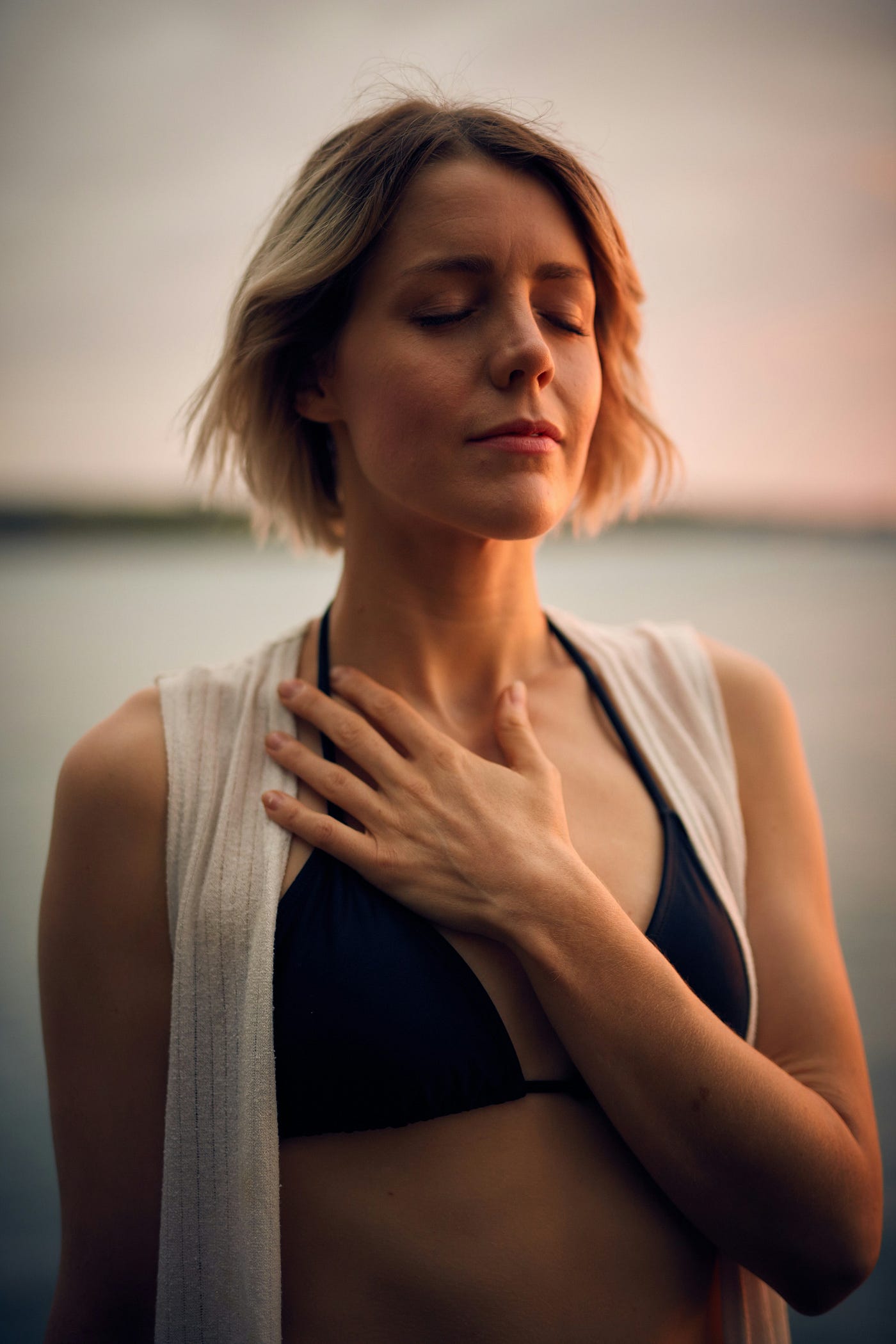
Photo by Darius Bashar  on Unsplash

Relationship between anxiety, meditation and autogenic training

Many meditation guides will tell you that focusing on your breath is the key to meditation, to calm the body and quiet the mind, (and rightfully so for many) but after years of trying and retrying, session after session, this approach never resonated with me.

Meditation isn’t as easy as it sounds. It requires time, discipline, and discovering your own unique “style” of meditation. There’s a path to inner peace for all of us, and it might look different than expected. If traditional meditation hasn’t clicked for you yet, don’t be discouraged. What works for one person might not work for another.

After years of experimenting, I discovered a surprising truth: focusing on the breath, often considered the cornerstone of meditation, became instead the biggest obstacle in my own journey.


I noticed that during meditation, especially in group settings, the instructions to take slow, deep inhales and exhales felt like a performance I couldn’t deliver.

Paradoxically, instead of calming my body, my muscles would tighten, and the effort to breathe deeply became an unnatural, frustrating struggle.This was the opposite of what meditation intended. Instead of relaxing, I found myself growing with more stress.

Having a tendency towards anxiety, I’m particularly aware of how anxiety or stress can disrupt natural breathing patterns. When experiencing anxiety you might find yourself sighing more frequently, a subtle sign of underlying tension. Anxiety, after all, starts in the brain but has a way of creeping into your body.

Even in calm moments, I noticed that my breaths tend to be short and quick.This translated directly to meditation. Focusing on those slow, deep breaths everyone talks about becomes a challenge. It feels unnatural and forced.

A Breakthrough! At a point in my life, I discovered a different approach to meditation that clicked for me: visual meditation. Instead of battling with my breath, a constant source of frustration, I began my practice with a body scan. Mentally asking each part of my body to gently relax took the immense pressure off my breath, allowing it to naturally settle into a calmer rhythm. Shallow, forced inhales and exhales would then naturally transition into a calmer, more regular breathing pattern almost unnoticed.

This allowed me to truly meditate, observing my thoughts come and go without judgment, and returning my focus to the present moment, perhaps noticing the gentle rise and fall of my chest with each breath.

This simple centering technique kept me grounded.

My late twenties were a turning point. Intense anxiety led me to seek professional help. There, I discovered autogenic training, a technique for managing anxiety that’s remarkably similar to visual meditation. Often referred to as self-hypnosis, autogenic training uses visualization to gently guide the mind towards calmness and restore balance. The key difference lies in the focus: meditation typically focuses on the breath, a single point of anchor, while autogenic training employs visual imagery to direct attention to various areas of the body creating a sense of relaxation throughout.

I was hooked on it for life! Visual meditation became my missing piece. My practice now combines guided visualization (self-guided or instructor-led) with progressive muscle relaxation, creating a powerful relaxation routine.

Posture and location

Let’s debunk another common myth: there’s no single “correct” way to practice meditation. While images of yogis in perfect lotus pose, “Padmasana”, might be prevalent, the truth is that comfort and accessibility are key.

There’s no need to contort yourself into a pretzel!

Meditation can be practiced in many postures, as long as you can maintain alertness and avoid discomfort. Sitting on a chair, kneeling on a cushion, or even lying down are all perfectly valid options (though, the only downside of lying down is the increased chance of falling asleep due to the deep relaxation. But that’s ok too, even a short meditation nap can be refreshing!

Meditation is a journey, not a destination.

Choose a posture that allows you to be comfortable and alert, and prioritize ease over discomfort. This flexibility is especially empowering for those with physical limitations, opening the door to a practice that benefits everyone. You can absolutely be a dedicated meditator without ever mastering the lotus pose. After all, the goal is to quiet the mind, not torture your body.

Revisiting and adapting traditional Indian meditation practices to Western contexts is a natural evolution. The core goal remains constant — cultivating greater self-awareness, focus, and stress management. There’s no single “right” way to meditate, and embracing these adaptations allows us to personalize the practice for a more inclusive experience. Find Your Style.

Don’t worry about achieving a perfect state or getting everything right. Just be present, observe your thoughts without judgment, and allow yourself to simply be in the moment.Whether it’s a single word whispered internally, a calming phrase silently repeated (mantra), or a serene image visualized behind closed eyelids, it all serves the same purpose: maintaining focus.

So, don’t overthink it. Just be there.


© 2024 Iose Cocuzza. All rights reserved.
Bach Flower Therapy: The Hollywood Celebrities’ Secret to Emotional Well-being

The Timeless Efficacy of Bach Flower Remedies

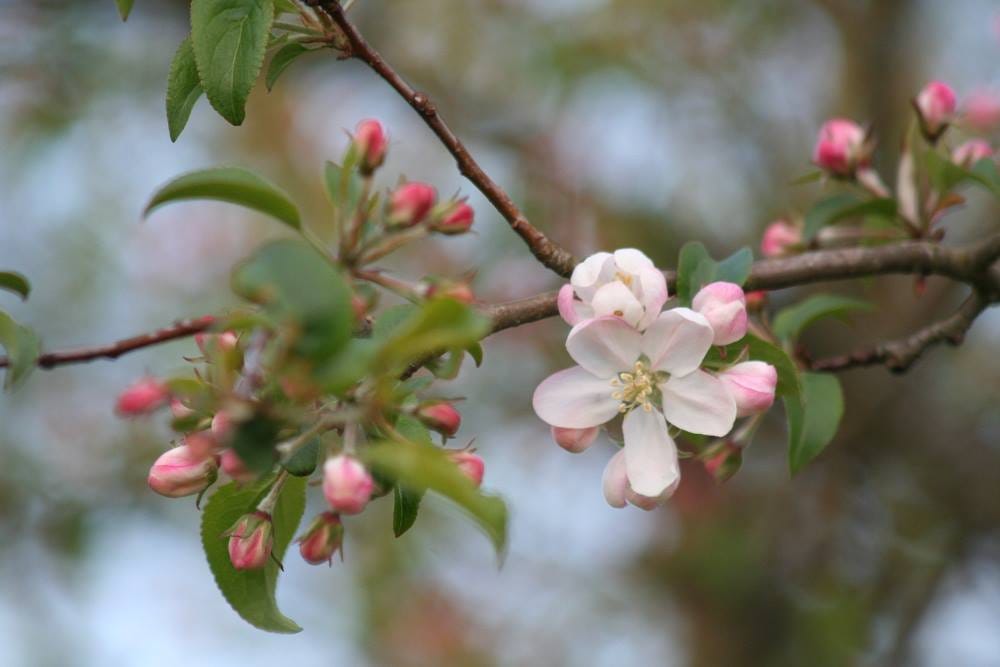
Cherry Plum — Image courtesy of The Bach Centre

What are Bach Flower Remedies?

Bach Flower Remedies are a simple system of 38 remedies based on plants and wildflowers discovered by Dr. Edward Bach in the early 1930s.

I’ve personally known about the Bach Flower Remedies for most of my life, yet it often surprises me that there are still so many people in the world who have never heard of them.

Originating in England, Bach flower remedies are understandably much more popular in Europe than in the rest of the world.

I became a registered Bach Flower practitioner in 2016 and I live in the US, where awareness of these remedies is still very limited. Many of my clients are from Latin America or Europe, where Bach Flower Remedies are significantly more widely used.

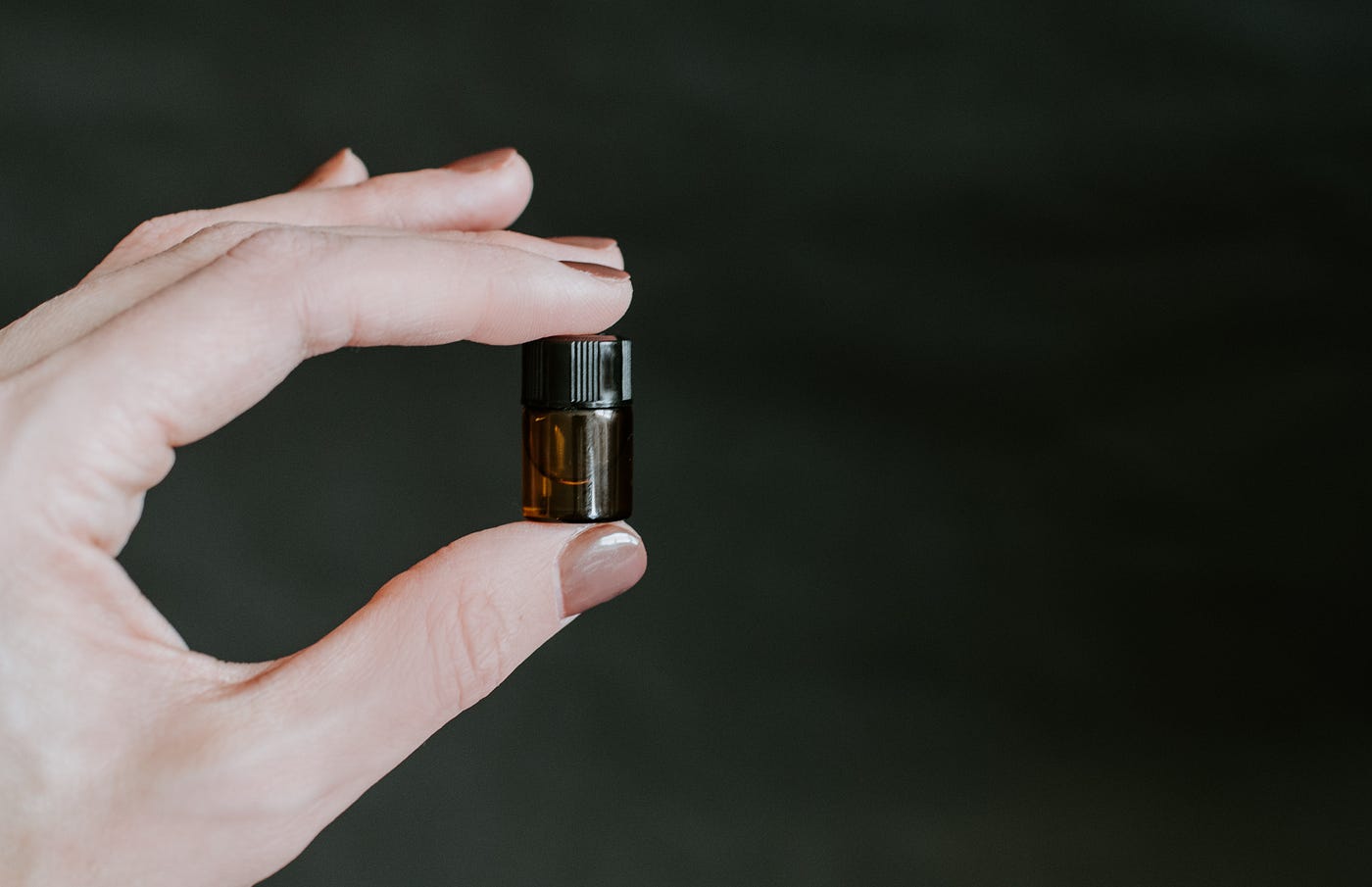
The Original Bach Flower remedies are preserved in a mixture of water and grape-based brandy. They are gluten-free and highly diluted, and while they share some similarities with homeopathy in this aspect, they differ significantly in their underlying philosophy and methodology.

Yet they are classified as prescription/nonprescription drugs and over-the-counter homeopathic supplements.

The remedies offer a simple and gentle approach to emotional well-being utilizing 38 flower and plant essences, each targeted to address specific negative emotions that can disrupt our inner balance. By gently restoring balance, Bach Flower Remedies are intended to help us reclaim our positivity and navigate life’s challenges with greater ease.

For over 80 years, Bach Flower Remedies have been used worldwide with widespread reports of success. Their gentle nature and complete lack of side effects make them a safe choice for everyone, including children, pregnant women, pets, the elderly, and even plants!

While Dr. Edward Bach initially established himself as a successful British physician, pathologist, and bacteriologist, his experience ultimately led him to question the limitations of traditional, symptom-focused medicine. 

Seeking a more comprehensive approach to well-being, Dr. Bach embarked on a journey towards a holistic perspective, one that focused on addressing the root causes of illness beyond just treating their symptoms.

He recognized the profound influence of emotions on overall health, firmly believing that negative emotions and moods could trigger breakdowns leading to illness.

This holistic perspective, prioritizing the emotional well-being of patients, continues to hold significant relevance in today’s healthcare landscape, where the mind-body connection is increasingly recognized, particularly when considering the current landscape of healthcare.

Emotional stress is indeed a major contributing factor to the six leading causes of death in the United States: cancer, coronary heart disease, accidental injuries, respiratory disorders, cirrhosis of the liver, and suicide.

How did I discover the Bach Flower remedies and why did I decide to become a practitioner?

My journey with Bach Flower Remedies began in a rather unexpected way. I was introduced to them on several occasions throughout my life.

I often share that my journey with Bach Flower Remedies transcended a typical discovery — it felt more like the remedies found me.

While not actively seeking alternative approaches at the time, I encountered Bach Flower Remedies during a period in my life marked by a sudden onset of flight-related fear and anxiety. The need to address these challenges became urgent due given that we lived in the USA while both my family and my husband’s family resided in Europe.

Interestingly enough, it was my conventional doctor who initially suggested exploring Bach Flower Rescue Remedy as a potential supportive tool for this situation.

Among the various Bach Flower Remedies, Bach Flower Rescue Remedy is the most famous of the remedies. It is often the only one people are familiar with when they have limited knowledge of Bach Flower Therapy.

However, it’s crucial to note that Rescue Remedy isn’t a single-flower essence. Instead, it’s a carefully chosen blend of five distinct remedies designed to offer support in times of emotional distress, such as during emergencies, trauma, shock, accidents, panic attacks, or even before exams to help manage anxiety.

But the core of Bach Flower Therapy lies in the 38 individual remedies.Unlike blends, each remedy is crafted from a single flower or plant extract, unlocking their specific emotional healing properties. This allows practitioners to create personalized blends, expertly tailoring a selection of remedies to address individual needs and emotional journeys.

Clients and friends often ask me questions like: “Will Bach Flower Remedies eliminate my anxiety or chronic stress?

Or: will they magically transform me into an extrovert if I’m introverted and shy?”

My answer is: No.

Bach Flower remedies, like any approach to emotional well-being, are not a quick fix or a magic solution. Instead, while they cannot entirely erase emotions like anxiety or shyness, they can be valuable tools to help manage emotional states.

Maintaining a balanced state, known as homeostasis, is crucial for overall well-being. This applies not just to our physical health, but also to our mental and emotional state.

Over the years, many celebrities have embraced the healing power of this gentle system, including Gwyneth Paltrow, Gisele Bündchen, Hugh Grant, Salma Hayek, Emma Watson, and even superstar football player Lionel Messi , who used Bach Flower remedies to combat stress and anxiety before games.

Bach Flower Remedy therapy is not of course the only alternative therapy for managing stress, but it is one of the gentlest and simplest therapies available, which is why I feel comfortable using it as my number one ally for emotional crises and emergencies with my clients, family, friends, children and pets!

I hope this story has served as an introduction to Bach Flower Remedies, offering a potential option for those seeking a holistic and gentle approach to supporting their emotional well-being.

Originally published on Medium© 2024 Iose Cocuzza. All rights reserved.
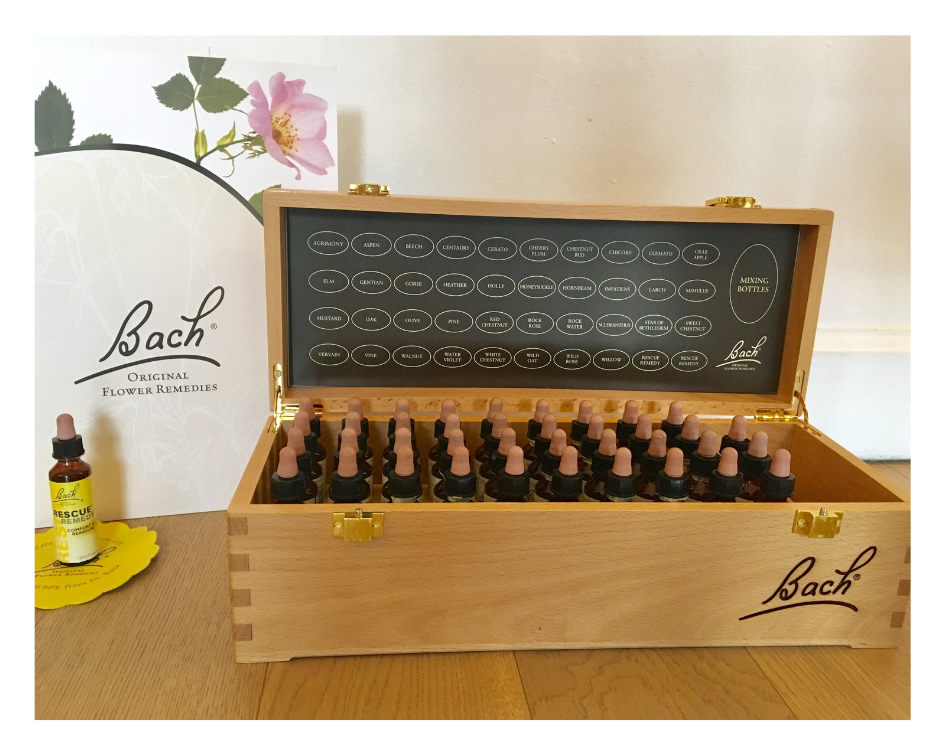
Image courtesy of the author

EXPLORING HOMEOPATHY AND THE PLACEBO CONNECTION

The Dual Language of Holistic and Conventional Practices

Photo by Kelly Sikkema on Unsplash

As a practitioner specializing in holistic nutrition, I am committed to integrating alternative medicine into my comprehensive approach.

While I recognize the invaluable role of conventional medicine and adopt it when necessary, I also fully embrace the principles of holistic healing. In my view, each approach has a unique place and time.

I chose to become a holistic nutrition consultant because I firmly believe in the healing power of food. 

It goes beyond simply consuming any type of food; I emphasize the importance of selecting the right kinds, with a focus on high-quality, organically grown produce.

While the detrimental effects of processed foods and chemical additives may not manifest immediately, the long-term effects can adversely affect the body over time.

Quoting the ancient Greek physician Hippocrates, often referred to as ‘The Father of Medicine’, I strongly resonate with the idea that:

Let food be thy medicine and medicine be thy food – All diseases begin in the gut

This philosophy guides my holistic approach to health and wellness.

I generally prefer a gentle approach to the body, avoiding invasive measures and minimizing the use of pharmaceutical drugs.

If I experience a mild headache, I won’t immediately reach for the cabinet in search of Advil. I prefer to let my body manage it naturally, exploring alternative methods of relief first. If these natural approaches prove ineffective, pharmaceutical options are still available.

There are numerous natural ways to address such discomfort.

One of these is Homeopathy.

Homeopathy tends to have a negative reputation, particularly in the United States, more so than in Europe and is widely discredited by the scientific community today. It is frequently labeled as quackery medicine.

Let’s delve into the history of homeopathy.

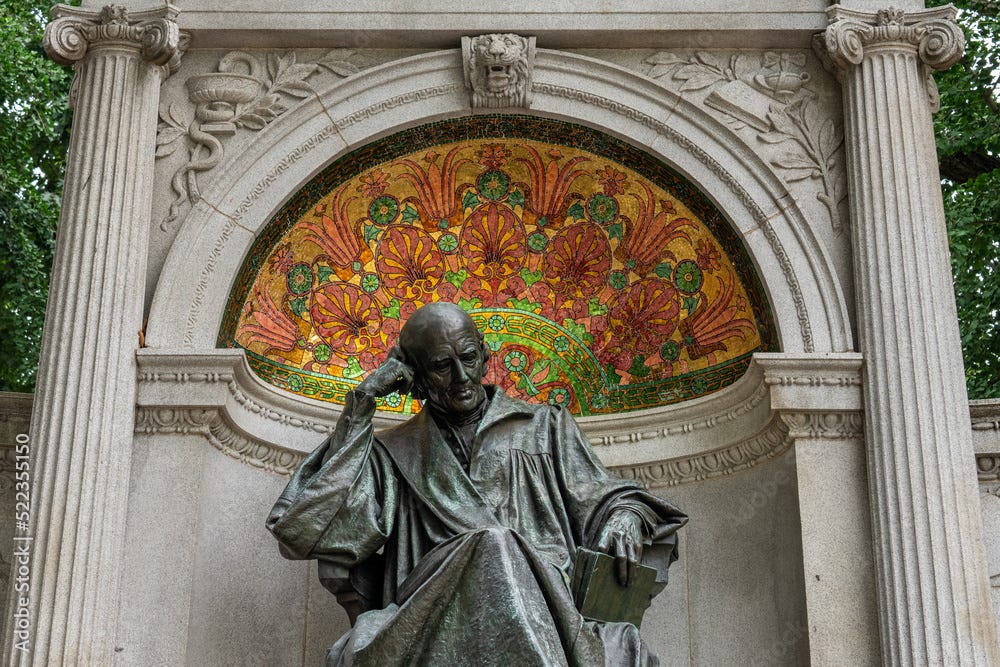
Homeopathy is a medical system established by the German physician Samuel Hahnemann at the end of the 18th century.

The Doctor Samuel Hahnemann Memorial stands in Washington DC among many other monuments, as historical reminders of its past prominence.

Samuel Hahnemann — Photos Credit: Rosemarie — stock.adobe.com

Why was a monument dedicated to him? Because, in the past, homeopathy was indeed a more respected form of medicine than it is today.

There were homeopathic institutions and hospitals spread across the USA. Homeopathy was introduced to the USA by Hans Burch Gram in 1825 and developed significantly through the immigration of German homeopaths. The first homeopathic medical college was established in Allentown, PA, in 1835.

Understanding this historical context provides a more nuanced perspective on the evolution of Homeopathy and its role in healthcare.

Founded on the principle of “like cures like,” homeopathy utilizes various substances derived from the plant, animal, and mineral kingdoms to stimulate healing responses to diseases by administering substances that mimic the symptoms of those diseases in healthy people.

These substances undergo a process called potentization, involving repeated dilution and succussion (vigorous shaking between dilutions).

In some instances, the dilution is carried out to the point where there is minimal or almost none of the original substance remaining. This is where skepticism from both the scientific community and the general population tends to arise, and I fully understand why.

The belief in homeopathy suggests that the more a substance is diluted in this manner, the greater its potency in treating symptoms.

I am perhaps one of the most skeptical holistic practitioners you might encounter. I’m hesitant to adopt a remedy simply because someone insists it’s effective or worked for them. Most of the time, I require personal experience or evidence from close family members before considering it. However, if multiple reports and well-studied cases support its efficacy, I am open to listening and giving it a try.

I value facts. While it is helpful and interesting to have an explanation for everything, I don’t believe it’s right to dismiss a case, or worse, label it as quackery, simply because it is not currently understood. Especially when there are numerous clinical cases that have demonstrated its efficacy.

Homeopathy may appear scientifically implausible, but it could be a limitation of our current scientific understanding. It may be beyond the reach of current scientific methods to prove or fully comprehend it at this time.

I hold high hopes for the future contributions of Quantum Physics and Quantum Mechanics to elucidate what current scientific understanding cannot. I have a sense that the efficacy of homeopathy will eventually be comprehended and explained through these evolving fields.

Numerous historical instances showcase the evolution of new ideas, such as Geocentrism, the Big Bang Theory, and the Germ Theory. Initially met with skepticism or dismissal, these concepts were eventually validated, contributing significantly to advancements in science and understanding.

Conversely, beliefs once deemed accurate were later proven erroneous. Bloodletting as a Medical Practice, once widely accepted, was later recognized as ineffective and potentially harmful. Similarly, DDT as a Pesticide, initially considered safe and effective, proved harmful in the long run, posing environmental and health risks. The belief that consuming spicy foods caused stomach ulcers was debunked with the identification of the bacterial cause (H. pylori).

These instances highlight the imperfection of science. Science is an evolving process, and accepted truths may change as knowledge deepens and methodologies improve. This emphasizes the importance of continual reassessment and openness to new discoveries.

I look forward to the day when either science or metaphysics can offer comprehensive explanations.

Even if the efficacy of homeopathy is, at times, attributed to the placebo effect (which hasn’t been definitively proven thus far), I am entirely comfortable with that possibility.

Let me elaborate on why.

The placebo effect is incredibly fascinating and can have considerable power in terms of healing. However, there’s no on/off switch in your body that you can activate whenever needed.

But if Homeopathy or other natural therapies like self-hypnosis, meditation, or aromatherapy can act like a ‘switch,’ I’m willing to explore their potential!

Your mind can be a powerful healing tool when given the chance. Science has found that under the right circumstances, a placebo can be just as effective as traditional treatments.

A placebo is often employed in clinical trials to assess the effectiveness of treatments and is commonly utilized in drug studies. Randomized double-blind placebo control (RDBPC) studies are considered the “gold standard” of epidemiologic studies.

There are documented instances of individuals who have experienced self-healing through the placebo effect.

Returning to homeopathic medicine, I sense that there is much more to understand about how homeopathy works and its efficacy.

It seems particularly effective in addressing mild acute symptoms with children and animals — two categories unaware of the placebo effect and with fewer mental barriers.

Perhaps I won’t be alive when a comprehensive explanation emerges, but I hope to stick around long enough to witness that moment.

I’m aware that this perspective might be controversial and not appreciated by everyone, but I wanted to share my thoughts on it.

I utilize homeopathy in a more superficial and limited capacity, specifically for mild conditions that don’t necessitate serious medical attention. I wouldn’t consider using homeopathy to treat infections or other severe health issues.

Despite the controversy, I believe Hahnemann and Homeopathy deserve fair consideration.

Wishing everyone good health and kindness to their bodies.


*This article was originally published on Medium.com


Medical Disclaimer: I am not a medical doctor. The information presented in this article is not intended to offer medical advice but is provided for informational purposes only. It should not be seen as a replacement for professional medical advice or consultation with healthcare professionals.

Products labeled as homeopathic and currently marketed in the U.S. have not been reviewed by the FDA for safety and effectiveness to diagnose, treat, cure, prevent or mitigate any diseases or conditions.

Why I Stopped Buying Vitamins On Amazon And Why You Should Too!

Vitamin Shopping and the Healthier Paths to Consider

Photo by JOSHUA COLEMAN on Unsplash

Is taking care of your health a top priority in your life? Are you investing in it, or are you trying to cut costs while prioritizing other needs?

I truly hope it is your ‘biggest priority.’ While individual priorities may vary, there are fundamental priorities that should be universally valued, and one of these is your health.

You don’t get a second chance with your body in this life; you only have one.

While you can repair it whenever possible, taking care of it to prevent excess damage is crucial.

Unfortunately, this concept is not always so obvious when you are young, making it a missed opportunity. The sooner you start taking care of your body, the better chance you have of enjoying a healthy life later on.

I know that health care can be costly, especially if you live in the US. I come from a country where we have free government health care for all. I’m not comparing the two systems (that’s probably a discussion for another time).

I can easily cut costs on clothes, dining out, event tickets, and trips. However, when it comes to food, I strive to consistently purchase organic, high-quality foods because nutrition is the foundation, it serves as the fuel for our bodies.

The same principle applies when it comes to buying supplements, which I believe are an important part of a modern diet.

Obtaining all necessary nutrients solely from our diet is theoretically possible. However, the reality is that today’s vegetables and fruits are not as nutritionally rich as they once were. This decline in nutritional value is partly due to modern soil depletion of essential minerals.

Additionally, you need to consider the time fresh produce spends on refrigerated shelves and the various processes it undergoes before lingering on grocery store shelves for days. As a result, a significant portion of the original vitamin content is lost by the time you eat an apple or broccoli.

How many cups of vegetables or fruit you must consume daily to meet your body’s basic nutritional requirements?

According to the U.S. Department of Agriculture (USDA), women ages 19 to 32 should be consuming 2.5 to 3 cups of veggies each day, while women of any older age can stick with 2 to 3. For men, 3 to 4 cups is recommended, but for men 60 or older, 2.5 to 3.5 is suggested.

Even the most diligent individuals may occasionally skip or consume less than the necessary amount on certain days.

I always made nutrition and a healthy diet the center of my life, yet little I know when I started using a food journal I noticed that my dietary habits were not as consistently on track as I had believed. Some days involved minimal consumption of vegetables, fruits, or essential nutrients, while on other days, there was an excess of sweets or other less nutritious choices.

Consider giving it a shot. Begin journaling your diet for one or two weeks, and upon review, you may discover some surprising insights. There are many food diary apps that you can download for free ( such as Foodprint; My Fitness Pal; Fooducate).

I aim for a daily diet that consists of 75% wholesome and nutritious foods, with the remaining 25% reserved for indulgence — enjoying occasional sweet treats or processed snacks.

It’s a pretty reasonable and doable balance!

Making nutrition and a healthy diet the focal point of my life, I pursued studies to become a holistic nutrition consultant, obtaining board certification. Additionally, I became certified as a gluten-free practitioner and a dietary supplement specialist. And I‘m glad I did it all of this.

But let’s talk about supplements.

Adding supplements to your diet can be beneficial for optimizing your health or addressing specific nutrient deficiencies of which you may be aware.

When purchasing supplements, it is crucial to consider several key factors.

Unlike drugs, supplements do not require FDA approval before they can be sold or marketed.

Supplement companies are responsible for having evidence that their products are safe and that the label claims are truthful and not misleading.

Because dietary supplements are under the “umbrella” of foods, the FDA’s Center for Food Safety and Applied Nutrition (CFSAN) is the branch of the U.S. FDA responsible for regulating food, dietary supplements, and cosmetics.

The FDA requires supplement manufacturers to adhere to Current Good Manufacturing Practices (CGMP), which are intended to ensure the quality and safety of these products.

This distinction implies that the manufacturing process is not as complex as that for pharmaceuticals. Therefore, selecting a reputable manufacturer becomes essential.

The best way to ensure the quality of a supplement is to look for one that has been certified by a third-party company.

It is essential that you want to avoid anything from questionable manufacturers. Opt for products that have a nutrition facts label, and are as whole food-based as possible.

Second, avoid anything that is much cheaper than competitors. You want to only ingest the best quality supplements, and if it’s cheap in price, usually (not always) it’s low in quality.

Many times, if made overseas, supplements could be made using the same equipment as other products which could taint the batch.

After becoming a Dietary Supplement Specialist, I was given the opportunity to open a virtual dispensary as a practitioner with one of the most reputable supplement platforms on the market: Fullscript.

Since then, I’ve never looked back. I’ve been ordering all my supplements from them, and the same goes for my family, friends, and clients.

Not only does this provide me peace of mind when ingesting supplements, but the way they package and deliver them to your door clearly reflects how much they care. Unlike my experiences with Amazon, when I order from this online professional dispensary, I consistently receive heat-sensitive supplements with accompanying ice packs when necessary, and each individual supplement is meticulously wrapped.

Fullscript is just one of many online dispensaries out there. I’m not saying you have to order from them, but it’s a good idea to do your research. Be cautious about choosing Amazon just for a better price, as the source of those supplements might be unclear.

Let people do their job, focusing on what they do best!

Amazon can be tempting because you often find deals and better prices. Everybody uses it, and I do too. However, not for my supplements. I’ve learned a lot in the process.

I hope this article provided some help or served as an eye-opener if you’re new to the world of supplements.

Stay healthy and remember to eat your veggies!


As a gesture of gratitude for reading my article, I’d like to offer you a small token of appreciation.

I totally get that high-quality stuff isn’t always budget-friendly for everyone.

Feel free to sign up for a complimentary Fullscript account using this invitation to enjoy a lifelong 20% discount on all products, along with free shipping for orders over $50 (orders can only be shipped to residents of Canada or the United States).

➡️ !Simply click here to create your account! ⬅️

This article includes affiliate links.

© 2023 Iose Cocuzza. All rights reserved.

The Day I Was Told I Had Celiac Disease, I Was Eating a Brioche With Gelato

My Last one

Photo by Josh Chiodo on Unsplash

Summer 2017

I was on vacation in our house in Sicily with my family, as every year.

Just a few days after arriving and still adjusting to the time zone, one of the first stops of our vacation, which would have officially announced the start of our summer vacation, had to be the artisanal gelateria ‘La Delizia’ down the street.

An unmissable stop for years now.

I couldn’t contain my excitement, perhaps even more than my children.

I’ve been living in New York for many years, where I’ve learned to appreciate the variety and abundance of food found in supermarkets, exotic fruits, and cuisines from around the world.

I have noticed over the years, though, that certain delicacies can only be enjoyed when I return ‘home to Sicily’.

Gli arancini con carne o burro, lo sfincione, il pane rimacinato freshly baked, la brioche con il gelato, la granita, la pasta con i tenerumi, il caciocavallo stagionato, il primosale, il gelo di mellone, la frutta Martorana… I could go on indefinitely.

That summer afternoon was the turn of the brioche with gelato: an unparalleled calorie bomb.

I chose bacio and watermelon flavors (and, of course, whipped cream).

With the first ‘lick,’ I closed my eyes, inhaled, and sighed deeply to instinctively express my state of contentment — a faint smile formed on my face.

The magic was interrupted by the ring of my cell phone. It was my doctor from New York calling… “how strange,” I thought, “perhaps she simply wants to inform me of the results of my latest blood tests that I had done just before leaving”.

I guessed it right.

She had called me precisely for this.

However, what the communication held took me by surprise:

Iosè, I’m sorry to let you know that your antibody test for Celiac disease came back positive. It looks like you might have Celiac disease”.

“Whaaaat?

Wait a minute, howI’m Italian”…it’s impossible I thought.

I lived on

P — pane

P — pasta

P — pizza

all my life! I didn’t even know that you were testing me for Celiac”!

“Well, Celiac disease can go undetected for many years and can be silent. You’ll need to undergo an endoscopy to confirm the diagnosis when you come back. In the meantime, try to stay away from gluten”, my doctor said from the other side of the ocean.

How could I possibly stay away from it while being surrounded by the most delicious glutinous food on earth?

I was practically in Gluten Land!

I was shocked and in disbelief. The idea of having to give up freshly baked bread, dishes of fresh pasta, and many other Italian dishes had saddened me quite a bit.

Since the diagnosis was not entirely confirmed yet, I decided to push this ‘nuisance’ aside and postpone everything until my return to NY.

My only goal at that moment was to enjoy the vacation and all its offerings, gluten-filled food included.

That summer marked the last time I indulged in food containing gluten.

My diagnosis was confirmed in October 2017, and from that moment on, my adventure in transforming my gluten-free diet began.

An adventure initially marked by inevitable mistakes of someone who didn’t know, hours spent reading and learning, workshops, research, and various kitchen experiments — some successful, many less so.

Because, let’s face it, most of the time, if not all, gluten-free bread, pizza, and pasta fall short and are merely a sad attempt to replace ‘the irreplaceable’!

My background as a holistic nutrition consultant was certainly an advantage, although what initially seemed like a simple ‘elimination diet’ turned out to be something much more complex, requiring great discipline and information.

At that point, I decided to specialize and become a gluten-free practitioner to learn everything possible about this condition and the gluten-free diet.

You see, to this day, there is no cure or drugs for Celiac disease.

The only therapy is to adhere to a strict gluten-free diet for the rest of your life.

Driven by a personal mission, I penned a mini-guide for gluten-free beginners, a lifeline for those, much like myself, who found themselves unprepared and thrust into the abrupt transformation of their dietary habits.

As my journey unfolded, I also became an expert in the kitchen (thank god I always loved to cook), and for a while, I worked as a gluten-free home chef, preparing and delivering meals to people who either enjoy or need to follow a gluten-free diet.

Do I miss occasionally a classic, good slice of crusty bread, pizza, or a croissant?

Heck, yeah! — Cavolo, certo che si!

But I can never cheat.

My health is far more precious than indulging in culinary temptations.


Note: this story includes an affiliate link.

Originally published on Medium

© 2023 Iose Cocuzza. All rights reserved.

Contemplating the END OF LIFE: how will you die?

Have you ever wondered how your life will end?

I don’t usually think about death, but lately, I have been pondering this question. I have witnessed older relatives, who have been a part of my entire life, as well as some distant friends who have passed away due to incurable diseases or accidents.
These experiences have led me to reflect on my own mortality and to consider how I want to live my remaining years.

I am not afraid of death, but I am curious about what lies beyond.

One particular story made me think and wonder about death: a not-too-close friend from when I was a teenager suddenly and tragically lost his life while body rafting. He was always a very adventurous person who loved nature and had a special connection with rocks and mountains.
He taught me how to rock climb.

While I was of course very saddened by the news of his death, I also found some comfort in knowing that he died doing what he loved most: being outdoors in nature, climbing rocks. He didn’t have to suffer through a long and painful illness, and he died doing something that brought him joy.

He lived a life that was true to himself.

We often delude ourselves into thinking that we are in control of everything and that we have endless time. But the truth is, we are all mortal, and our time on this earth is limited. We spend too much time complaining, taking everything for granted, and wasting precious time.
We need to wake up and realize that life is short and that we should make the most of it.

Read the full article here: CORESPIRIT

BREAKFAST: The Most Important Meal of the Day for Kids

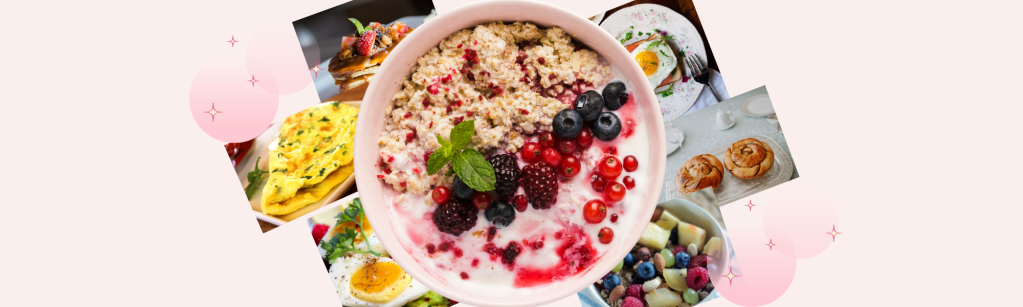
With summer vacations over and kids back to school, let’s discuss the importance of healthy eating, especially at breakfast time.

Glucose is the body’s main source of energy. When we sleep, our bodies use up the glucose that we have stored from the previous day.
Eating breakfast in the morning helps to replace this glucose and gives us the energy we need to start our day off right.
Kids who skip breakfast are more likely to be irritable, moody, and have difficulty concentrating.

A healthy breakfast is essential for kids’ learning, especially during school hours. It provides them with the nutrients, energy, and focus they need to succeed in the classroom.
Studies have shown that kids who eat breakfast perform better on cognitive tasks, such as memory, attention, and problem-solving.
If kids rely mostly on processed or junk food and skip breakfast, they will likely have difficulty concentrating, they might feel tired and sluggish, be malnourished, and experience mood swings and emotional problems.

I understand that mornings can be chaotic, especially in large families, but with a little planning, it’s possible to have a healthy breakfast before leaving the house.

Read the full article here: CORESPIRIT

STRESS: The Enemy of Your Physical and Mental Health – How to beat it

If you want to stay healthy, besides many lifestyle changes you might want to make in your life, the number one change that can have an enormous impact on a physical and mental level is learning how to manage stress
It’s as simple as that. 

In an article published in the Malaysian Journal of Medical Sciences, they mention studies that have shown that short-term stress might boost the immune system, while chronic stress has a significant effect on the immune system that ultimately manifests an illness.
Interesting fact (also scary): emotional stress is a major contributing factor to the six leading causes of death in the United States: cancer, coronary heart disease, accidental injuries, respiratory disorders, cirrhosis of the liver, and suicide. 
The relationship between stress and illness is complex. 
Mainly because the susceptibility to stress varies from person to person.
*

The first step to managing stress is to identify what causes you stress. Once you know what your stressors are, you can start to develop strategies for dealing with them.

Read the full article at:  https://corespirit.com/articles/stress-the-enemy-of-your-health-how-to-beat-it-jl3ccv

The Benefits of Kindness and Gratitude: The Secret to a Happy Life


We live in a world where many people believe that being kind and grateful is a sign of weakness.
They may criticize Millennials, who are often seen as being too sensitive.
While I agree that there is a limit to how sensitive we should be, and that we should not be offended by every little thing, being kind and grateful is a different matter.

I believe that kindness and gratitude are two of the most important qualities that a person can have.
Being kind is not about being weak or letting people walk all over you. It’s about doing something nice for someone else, without expecting anything in return. It’s about being kind to others and to yourself. A simple gesture such as holding the door open for someone or give someone a compliment. 

Read the full article at CORE SPIRIT

Can ANXIETY disorder be managed with Bach Flower Therapy?


Anxiety is a very common disorder in modern society.
It can affect young and older people and it can be highly distressing.

There are several types of anxieties:

  • General anxiety, 
  • Social anxiety, 
  • Performance anxiety, 
  • Fear of specific places or situations, which can lead then to panic attacks.

We all know that anxiety, negative thoughts, or emotions can affect our mood, our everyday life, and even our physical health.
But what can we do to manage it then? 

Read the full article @ CORESPIRIT.