Ethical Considerations: Are Gluten Challenges the Right Approach for Celiac Disease Research?

Rethinking research methods in celiac disease
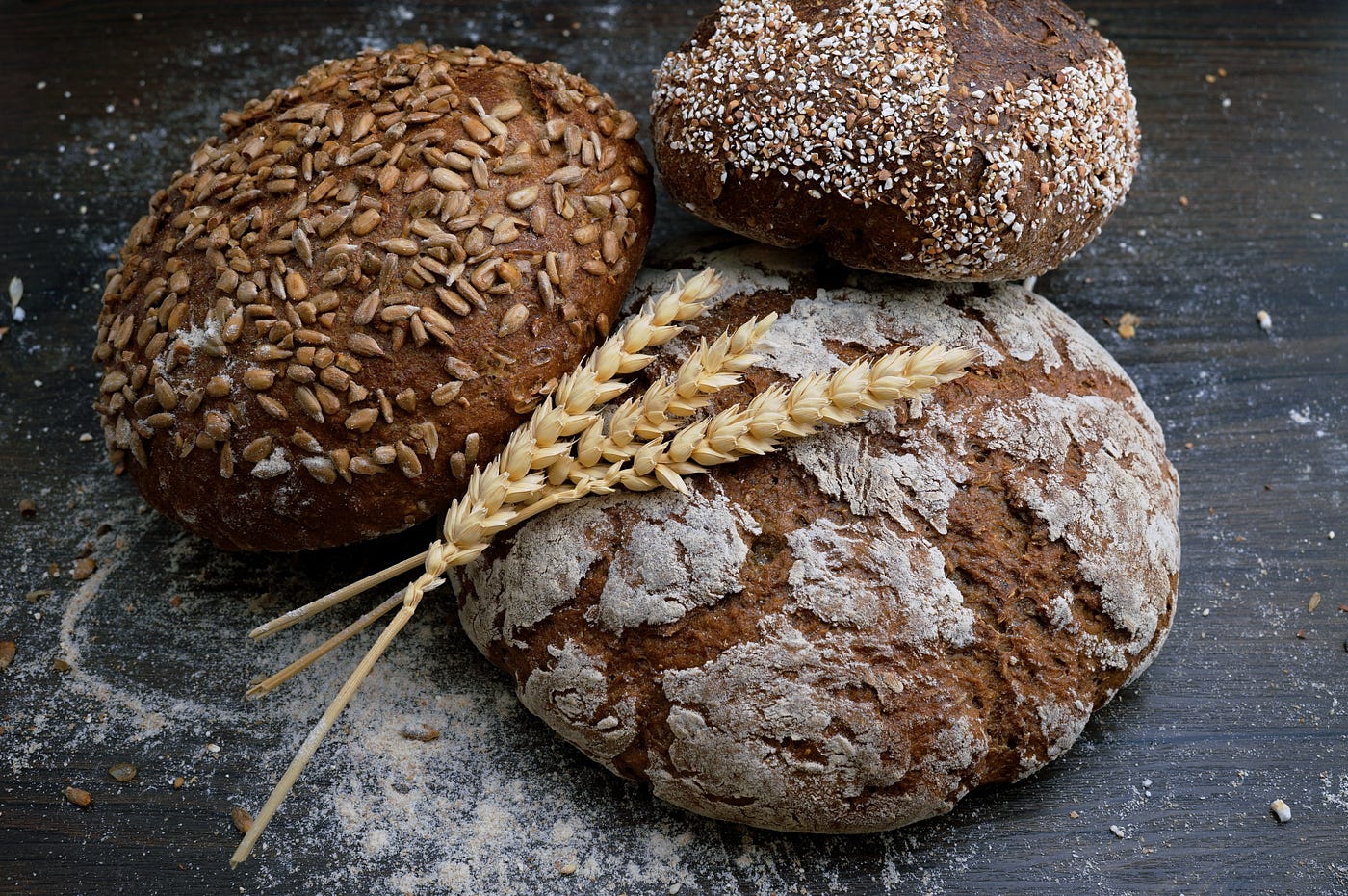
Photo by Louis Reed on Unsplash


I was diagnosed with celiac disease in 2017. I’ve navigated a strict gluten-free diet ever since. The possibility of a cure continues to motivate researchers, but clinical trials for celiac disease often rely on gluten challenges, raising significant ethical concerns.

This article explores the dilemma surrounding gluten challenges and argues for a shift in research focus toward developing alternative testing methods that accurately assess individual gluten tolerance while prioritizing patient well-being.

On several occasions, I’ve been approached to participate in clinical trials for potential celiac disease treatments or cures. While I recognize the vital role these trials play in advancing medical knowledge, I have not yet chosen to participate.

Let me explain why.

Celiac disease is an autoimmune disorder in which ingesting gluten causes damage to the small intestine, leading to malabsorption and other health complications.

The typical and more ‘visible’ signs of the immune system reacting after gluten ingestion, even a small amount, are vomiting, diarrhea, and bloating. The damage in the small intestine, however, is not visible unless endoscopy and biopsy are performed.

Despite decades of research, currently, there’s no cure for celiac disease. The only treatment for managing celiac disease is maintaining a lifelong strict gluten-free diet (GFD). However, this approach presents significant challenges. The issue arises from the fact that even the most careful individuals can experience accidental gluten exposure.

This can occur through hidden sources of gluten in processed foods, cross-contamination during preparation, or even unexpected sources like medications or cosmetics. It’s unavoidable.

For most individuals a strict gluten-free diet (GFD) effectively controls celiac disease (CD) symptoms, while some people may experience relapse from even low-dose gluten exposure. Also, the duration of exposure can significantly impact the frequency and severity of these relapses.

While new treatment options are on the horizon, ethical concerns cloud the research methods used to test their effectiveness. Celiac disease trials often require participants with celiac disease to undergo a ‘gluten challenge’ to test the effectiveness of potential new drugs.

The Problem with Gluten Challenges

Gluten challenges are valuable and necessary for diagnosing celiac disease.

Traditionally, a gluten challenge for celiac disease diagnosis involved consuming three to ten grams of gluten daily for six weeks. This equates to roughly 1.5 to 5 slices of bread per day.

However, recent studies suggest that a shorter challenge, lasting only two weeks with a daily intake of three grams of gluten, may be sufficient to trigger abnormal test results in most adults with confirmed celiac disease.

The Ethical Dilemma

Although participation in these studies is entirely voluntary, with the option to withdraw at any point, and informed consent is a research priority, there are ethical considerations specific to celiac disease due to the potential for harm and the need for a careful risk-benefit analysis.

In some cases, medical research trials become more ethically justifiable. When facing a serious illness with no existing cure, a potential life-saving or life-extending drug in a trial could offer immense hope. The potential benefits may outweigh the risks, and participants might have little to lose and potentially much to gain.

In contrast, participation in a celiac disease trial frequently necessitates a gluten challenge, which deliberately triggers a negative reaction, causing short-term health consequences and potentially compromising a patient’s health in the long term.

While a gluten challenge may provide valuable data for research purposes, especially for future patients, it’s important to acknowledge the guaranteed negative effects and the risk of further health complications.

Celiac disease trials involving gluten challenges are indeed a complex matter.

A Call for Alternative Methods

From a patient perspective (as I am) I believe researchers should explore alternative methods for testing potential new drugs for celiac disease. A crucial step should be a thorough, case-by-case assessment of each participant’s individual tolerance and risk factors in addition to informed consent from participants. Given the ongoing uncertainty surrounding the potential toxicity of trace gluten amounts, it is crucial for researchers to prioritize the development of methods or diagnostic tools that establish safe, individualized gluten thresholds for patients before resorting to gluten challenges.

By understanding individual sensitivity, researchers could tailor the gluten challenge dose to minimize discomfort and risk.

Unfortunately, current blood tests (serologic markers) may not be sensitive enough to detect lingering intestinal damage (residual enteropathy) in these seemingly healthy patients who are following a gluten-free diet.

Scientific research has undoubtedly led to incredible advancements in healthcare over the past decades. However, while I fully support this progress, I also believe in prioritizing participant safety in clinical trials.

Conclusion

The potential risks associated with a trial need to be weighed against the severity of the disease being studied.

As someone living with celiac disease, I understand the vital role research plays in finding a cure. However, I, like many others, am not comfortable participating in a gluten challenge, nor do I believe it’s the most ethical approach due to the potential health risks.

While gluten challenges remain the current standard for diagnosing celiac disease, assessing treatment efficacy, and clinical research, their inherent risks necessitate a reevaluation of research methodologies.

Therefore, prioritizing the development of non-invasive, individualized testing methods, such as advanced blood tests or imaging techniques, that accurately measure treatment response without jeopardizing patient well-being should be a top research priority.

Medical Disclaimer: I am not a medical doctor. The information presented in this article is not intended to offer medical advice but is provided for informational purposes only. It should not be seen as a replacement for professional medical advice or consultation with healthcare professionals.

© 2024 Iose Cocuzza. All rights reserved.
The Smell of Home: How Scents Transport Us Through Time

Photo by julien Tromeur on Unsplash

Have you ever stopped to consider the extraordinary influence the five senses have in your life?

They hold immense power, shaping our perception of reality and releasing emotions we forgot we still had.

I’m a very sensorial person. I love to experience all five, but the sense of smell is one of my favorites, for better or worse.

All five senses shape our world, but there’s something uniquely evocative about a scent.

Considering my love for food and passion for cooking, taste would probably be the second most powerful sense for me. I believe there’s a strong connection between taste and smell.

Can you recall a specific moment in your life when suddenly a scent threw you back in time? It could be a distant or forgotten memory, from a place far from where you stand now, yet so vivid it’s undeniable.

It’s moments like these that remind me of the incredible power of smell. It can unlock hidden doors in our minds.

Take the aroma of freshly baked bread or brewed coffee in the morning, for example. Every time I smell coffee in the morning, it instantly transports me to a place of warmth, familiarity, security, routine, and love.

Some of my favorite smells come straight from childhood. During summers, our house was surrounded by the sweet scents of jasmine and orange blossoms, bringing back memories of lazy afternoons spent reading under their shade. And then there was the sea, a time capsule in itself. Whenever I catch a whiff of the salty sea air near my childhood home, it instantly transports me to those carefree days of swinging on swings and enjoying ice cream.

Sometimes I wish to stay in that moment forever, trapped in that perfect memory.

It would be amazing if we could bottle scents.

Unlike sights we photograph or sounds we record, smells remain frustratingly ephemeral. Food might evoke a taste, a familiar touch, a brief encounter, but aromas hold entire worlds that vanish like smoke in the wind.

But where does the sense of smell originate in our body?

When we breathe in tiny molecules, they stimulate specialized sensory cells high inside the nose. Each of these sensory cells has only one type of odor receptor. Because smell information is sent to different parts of the brain, odors can influence many aspects of our lives, such as memory, mood, and emotion.

According to new research, Humans can distinguish more than 1 trillion scents.

Domestic cats have twice as many scent receptors in their nose as humans and can smell about 14 times better than humans.

I can’t even imagine what the world is like for a dog or cat with their incredible sense of smell. They have millions more scent receptors than us, and a much bigger part of their brain is dedicated to processing smells. It must be like living in a constant state of smell-o-vision on steroids!

Perhaps I was once a cat, and that’s why I find myself drawn to smell more than other senses.

Next time you take a stroll in the park, consider trying this simple experiment.

Close your eyes for a moment and forget about seeing, tasting, hearing, or touching. Instead, focus on the magic of scent.

Shut out the world around you. Take a deep breath. What scent takes you there?

Be present in the moment and celebrate the simple wonders of nature around you. Embrace this incredible journey we call life.

Share your most powerful scent memories in the comments below!

Bach Flower Therapy: The Hollywood Celebrities’ Secret to Emotional Well-being

The Timeless Efficacy of Bach Flower Remedies

Cherry Plum — Image courtesy of The Bach Centre

What are Bach Flower Remedies?

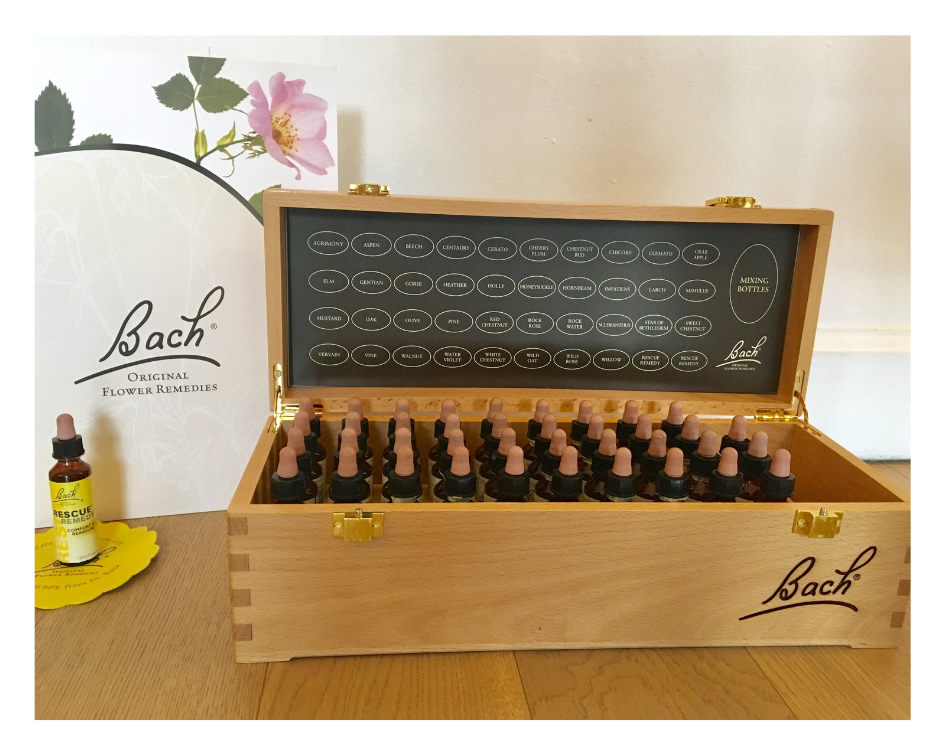
Bach Flower Remedies are a simple system of 38 remedies based on plants and wildflowers discovered by Dr. Edward Bach in the early 1930s.

I’ve personally known about the Bach Flower Remedies for most of my life, yet it often surprises me that there are still so many people in the world who have never heard of them.

Originating in England, Bach flower remedies are understandably much more popular in Europe than in the rest of the world.

I became a registered Bach Flower practitioner in 2016 and I live in the US, where awareness of these remedies is still very limited. Many of my clients are from Latin America or Europe, where Bach Flower Remedies are significantly more widely used.

The Original Bach Flower remedies are preserved in a mixture of water and grape-based brandy. They are gluten-free and highly diluted, and while they share some similarities with homeopathy in this aspect, they differ significantly in their underlying philosophy and methodology.

Yet they are classified as prescription/nonprescription drugs and over-the-counter homeopathic supplements.

The remedies offer a simple and gentle approach to emotional well-being utilizing 38 flower and plant essences, each targeted to address specific negative emotions that can disrupt our inner balance. By gently restoring balance, Bach Flower Remedies are intended to help us reclaim our positivity and navigate life’s challenges with greater ease.

For over 80 years, Bach Flower Remedies have been used worldwide with widespread reports of success. Their gentle nature and complete lack of side effects make them a safe choice for everyone, including children, pregnant women, pets, the elderly, and even plants!

While Dr. Edward Bach initially established himself as a successful British physician, pathologist, and bacteriologist, his experience ultimately led him to question the limitations of traditional, symptom-focused medicine. 

Seeking a more comprehensive approach to well-being, Dr. Bach embarked on a journey towards a holistic perspective, one that focused on addressing the root causes of illness beyond just treating their symptoms.

He recognized the profound influence of emotions on overall health, firmly believing that negative emotions and moods could trigger breakdowns leading to illness.

This holistic perspective, prioritizing the emotional well-being of patients, continues to hold significant relevance in today’s healthcare landscape, where the mind-body connection is increasingly recognized, particularly when considering the current landscape of healthcare.

Emotional stress is indeed a major contributing factor to the six leading causes of death in the United States: cancer, coronary heart disease, accidental injuries, respiratory disorders, cirrhosis of the liver, and suicide.

How did I discover the Bach Flower remedies and why did I decide to become a practitioner?

My journey with Bach Flower Remedies began in a rather unexpected way. I was introduced to them on several occasions throughout my life.

I often share that my journey with Bach Flower Remedies transcended a typical discovery — it felt more like the remedies found me.

While not actively seeking alternative approaches at the time, I encountered Bach Flower Remedies during a period in my life marked by a sudden onset of flight-related fear and anxiety. The need to address these challenges became urgent due given that we lived in the USA while both my family and my husband’s family resided in Europe.

Interestingly enough, it was my conventional doctor who initially suggested exploring Bach Flower Rescue Remedy as a potential supportive tool for this situation.

Among the various Bach Flower Remedies, Bach Flower Rescue Remedy is the most famous of the remedies. It is often the only one people are familiar with when they have limited knowledge of Bach Flower Therapy.

However, it’s crucial to note that Rescue Remedy isn’t a single-flower essence. Instead, it’s a carefully chosen blend of five distinct remedies designed to offer support in times of emotional distress, such as during emergencies, trauma, shock, accidents, panic attacks, or even before exams to help manage anxiety.

But the core of Bach Flower Therapy lies in the 38 individual remedies.Unlike blends, each remedy is crafted from a single flower or plant extract, unlocking their specific emotional healing properties. This allows practitioners to create personalized blends, expertly tailoring a selection of remedies to address individual needs and emotional journeys.

Clients and friends often ask me questions like: “Will Bach Flower Remedies eliminate my anxiety or chronic stress?

Or: will they magically transform me into an extrovert if I’m introverted and shy?”

My answer is: No.

Bach Flower remedies, like any approach to emotional well-being, are not a quick fix or a magic solution. Instead, while they cannot entirely erase emotions like anxiety or shyness, they can be valuable tools to help manage emotional states.

Maintaining a balanced state, known as homeostasis, is crucial for overall well-being. This applies not just to our physical health, but also to our mental and emotional state.

Over the years, many celebrities have embraced the healing power of this gentle system, including Gwyneth Paltrow, Gisele Bündchen, Hugh Grant, Salma Hayek, Emma Watson, and even superstar football player Lionel Messi , who used Bach Flower remedies to combat stress and anxiety before games.

Bach Flower Remedy therapy is not of course the only alternative therapy for managing stress, but it is one of the gentlest and simplest therapies available, which is why I feel comfortable using it as my number one ally for emotional crises and emergencies with my clients, family, friends, children and pets!

I hope this story has served as an introduction to Bach Flower Remedies, offering a potential option for those seeking a holistic and gentle approach to supporting their emotional well-being.

Originally published on Medium© 2024 Iose Cocuzza. All rights reserved.

Image courtesy of the author

Celiac Disease is Not a Food Allergy

Photo by Wesual Click on Unsplash

Misconceptions and Realities of Celiac Disease

If you’ve been diagnosed with Celiac disease for a while, you may have already noticed the widespread confusion about this condition among the general population unfamiliar with glute-free diets.

It also needs to be observed that an improvement in awareness over the last few years has been achieved.

Whenever I go our for dinner, especially in the past, a familiar scenario unfolds:

Me: “Are there any gluten-free options available on your menu?”

Waiter: “Unfortunately, we don’t have a specific gluten-free menu, but I’ll ensure that our kitchen excludes any milk or cheese from your dish!” (They often lack a gluten-free menu option and occasionally confuse gluten with lactose intolerance.)

Me: “Just to clarify, I’m fine with dairy; it’s gluten that I need to avoid.” The waiter’s expression hints at uncertainty about gluten. I then specify: “grains…wheat. I have Celiac disease”.

Waiter : ” Oh, got it. I’m sorry about that. I’ll make sure the kitchen knows about your allergy”.

I’m tempted to respond once more, saying ” Thanks, by the way, Celiac disease is not an allergy…”

However, I decided against it. It would be time-consuming to educate every waiter each time I go out.

For me, it’s satisfactory that they perceive it as an allergy, even if it’s not accurate, Sometimes, it works to my advantage. At least they will take extra precautions to prevent cross-contact in order to safeguard against a potential severe ‘allergic’ reaction.

The reality is that not many people are familiar with Celiac disease, and I, too, had limited knowledge when I first learned about my condition. The initial realization meant giving up some of my favorite foods like bread, pizza, and pasta. That much was clear. However, I soon discovered that there’s much more to Celiac disease than just dietary restrictions.

Let’s begin with some basic information.

Gluten consists of two types of proteins, namely gliding, and glutenin, which are found in wheat, barley, and rye.

Gliadin, a component of the gluten protein, is considered the primary environmental trigger responsible for celiac disease.

Celiac disease is an autoimmune disease (not an allergy), that might manifest in individuals with a genetic predisposition, meaning that every time gluten is ingested, even a small amount, the immune system mistakenly sees the gluten as a foreign invader and reacts by attacking the small intestine, impeding the absorption of nutrients from food and leading to malabsorption syndrome.

To potentially develop Celiac disease, one must carry one of the two genes associated with the condition: HLA-DQ2 or HLA-DQ8. However, having HLA-DQ2 and/or DQ8 does not guarantee the development of celiac disease; it simply increases the risk compared to the rest of the population without these genes. Many individuals with celiac disease do possess at least one of these genes. In exceptionally rare cases, a person may not have these genes but could still develop celiac disease.

The suggested safe amount of gluten for individuals with celiac disease is 20 parts per million (ppm), which translates to 20 milligrams of gluten per 1 kilogram of food. This level is intended to keep most people below the 10 mg threshold, although there isn’t a clear consensus on the safe daily intake of gluten. Individual tolerance varies, with some people being more tolerant than others, and vice versa.

Understanding the fundamental distinction between an allergy and an autoimmune disease is crucial. In the case of an allergy . depending on its severity , it could lead to anaphylactic shock, which is life-threatening and may prove fatal without prompt intervention.

However, with Celiac disease, being an autoimmune condition, such a scenario is impossible unless there is an additional wheat allergy alongside Celiac disease.

People with Celiac disease do not get anaphylaxis when they eat gluten.

Symptoms of food allergies typically manifest quickly, whereas, in Celiac disease, a delayed hypersensitivity reaction occurs. Symptoms usually develop within 48–72 hours after the ingestion of the offending food, which, in this case, is gluten. Some may react within 2–3 hours with severe vomiting and/or diarrhea.

Common symptoms for individuals with Celiac disease following gluten ingestion can include:

  1. Nausea
  2. Vomiting
  3. Gas/bloating
  4. Cramps
  5. Abdominal pain
  6. Diarrhea
  7. Constipation
  8. Tiredness

While common symptoms of a food allergy can include:

  1. Feeling dizzy or lightheaded.
  2. Itchy skin or a raised rash (hives)
  3. Swelling of the lips, face and eyes
  4. Coughing, wheezing, breathlessness
  5. Sneezing or an itchy, runny or blocked nose
  6. Feeling sick or being sick
  7. Stomach cramps

Anaphylaxis ( this is a severe allergic reaction- although the condition is life threatening, deaths are rare )

Allergies are triggered by a different type of antibody known as IgE(immunoglobulin E antibodies).

Conversely, Celiac disease is triggered by IgA antibodies, specifically Tissue Transglutaminase IgA antibody or tTG-IgA. This antibody targets an enzyme present in the lining of the gastrointestinal tract and correlates with the degree of mucosal damage in individuals with Celiac disease.

As of now, the only known therapy to manage Celiac disease is to follow a strict, lifelong gluten-free diet.

I hope this helps clarify the distinction between autoimmune diseases and allergies, specifically highlighting the difference between a food allergy and Celiac disease.  

Originally published on Medium© 2024 Iose Cocuzza. All rights reserved.
Medical Disclaimer: I am not a medical doctor. The information presented in this article is not intended to offer medical advice but is provided for informational purposes only. It should not be seen as a replacement for professional medical advice or consultation with healthcare professionals.


Subscribe to her email list today to receive notifications each time she publishes a new article on Medium by clicking here.

For more information on maintaining a healthy body and mind, visit www.iosecocuzza.com 🌿💕

— Instagram


References:

Celiac disease

Celiac disease differs from IgE-mediated food allergies in several important respects. Celiac disease is NOT mediated…

farrp.unl.edu

IgE-Dependent Allergy in Patients with Celiac Disease: A Systematic Review

In order to answer the question if an IgE-mediated allergy (A-IgE) may occur in subjects with celiac disease (CD), a…

www.ncbi.nlm.nih.gov

Beyond the HLA Genes in Gluten-Related Disorders

Most common food grains contain gluten proteins and can cause adverse medical conditions generally known as…

www.ncbi.nlm.nih.gov

How Genetics Play a Role in Your Risk of Celiac Disease

The gene known as HLA-DQ8 is one of two main celiac disease genes, known to increase the risk of gluten intolerance as…

www.verywellhealth.com

Gluten in Celiac Disease-More or Less?

To date, the only known effective treatment for celiac disease is a strict gluten-free diet for life. We reviewed the…

www.ncbi.nlm.nih.gov

EXPLORING HOMEOPATHY AND THE PLACEBO CONNECTION

The Dual Language of Holistic and Conventional Practices

Photo by Kelly Sikkema on Unsplash

As a practitioner specializing in holistic nutrition, I am committed to integrating alternative medicine into my comprehensive approach.

While I recognize the invaluable role of conventional medicine and adopt it when necessary, I also fully embrace the principles of holistic healing. In my view, each approach has a unique place and time.

I chose to become a holistic nutrition consultant because I firmly believe in the healing power of food. 

It goes beyond simply consuming any type of food; I emphasize the importance of selecting the right kinds, with a focus on high-quality, organically grown produce.

While the detrimental effects of processed foods and chemical additives may not manifest immediately, the long-term effects can adversely affect the body over time.

Quoting the ancient Greek physician Hippocrates, often referred to as ‘The Father of Medicine’, I strongly resonate with the idea that:

Let food be thy medicine and medicine be thy food – All diseases begin in the gut

This philosophy guides my holistic approach to health and wellness.

I generally prefer a gentle approach to the body, avoiding invasive measures and minimizing the use of pharmaceutical drugs.

If I experience a mild headache, I won’t immediately reach for the cabinet in search of Advil. I prefer to let my body manage it naturally, exploring alternative methods of relief first. If these natural approaches prove ineffective, pharmaceutical options are still available.

There are numerous natural ways to address such discomfort.

One of these is Homeopathy.

Homeopathy tends to have a negative reputation, particularly in the United States, more so than in Europe and is widely discredited by the scientific community today. It is frequently labeled as quackery medicine.

Let’s delve into the history of homeopathy.

Homeopathy is a medical system established by the German physician Samuel Hahnemann at the end of the 18th century.

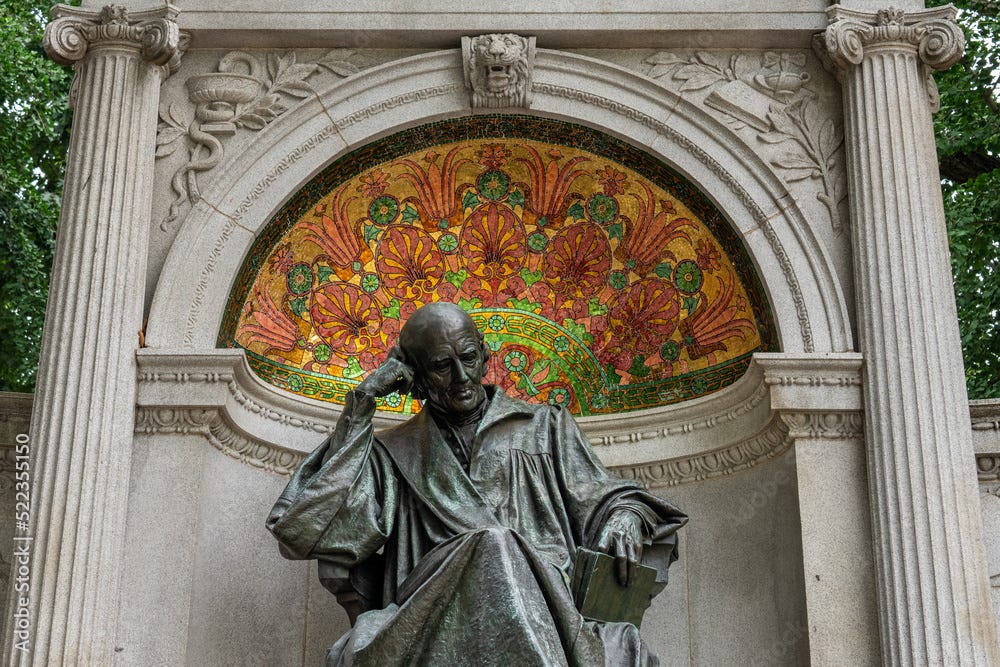
The Doctor Samuel Hahnemann Memorial stands in Washington DC among many other monuments, as historical reminders of its past prominence.

Samuel Hahnemann — Photos Credit: Rosemarie — stock.adobe.com

Why was a monument dedicated to him? Because, in the past, homeopathy was indeed a more respected form of medicine than it is today.

There were homeopathic institutions and hospitals spread across the USA. Homeopathy was introduced to the USA by Hans Burch Gram in 1825 and developed significantly through the immigration of German homeopaths. The first homeopathic medical college was established in Allentown, PA, in 1835.

Understanding this historical context provides a more nuanced perspective on the evolution of Homeopathy and its role in healthcare.

Founded on the principle of “like cures like,” homeopathy utilizes various substances derived from the plant, animal, and mineral kingdoms to stimulate healing responses to diseases by administering substances that mimic the symptoms of those diseases in healthy people.

These substances undergo a process called potentization, involving repeated dilution and succussion (vigorous shaking between dilutions).

In some instances, the dilution is carried out to the point where there is minimal or almost none of the original substance remaining. This is where skepticism from both the scientific community and the general population tends to arise, and I fully understand why.

The belief in homeopathy suggests that the more a substance is diluted in this manner, the greater its potency in treating symptoms.

I am perhaps one of the most skeptical holistic practitioners you might encounter. I’m hesitant to adopt a remedy simply because someone insists it’s effective or worked for them. Most of the time, I require personal experience or evidence from close family members before considering it. However, if multiple reports and well-studied cases support its efficacy, I am open to listening and giving it a try.

I value facts. While it is helpful and interesting to have an explanation for everything, I don’t believe it’s right to dismiss a case, or worse, label it as quackery, simply because it is not currently understood. Especially when there are numerous clinical cases that have demonstrated its efficacy.

Homeopathy may appear scientifically implausible, but it could be a limitation of our current scientific understanding. It may be beyond the reach of current scientific methods to prove or fully comprehend it at this time.

I hold high hopes for the future contributions of Quantum Physics and Quantum Mechanics to elucidate what current scientific understanding cannot. I have a sense that the efficacy of homeopathy will eventually be comprehended and explained through these evolving fields.

Numerous historical instances showcase the evolution of new ideas, such as Geocentrism, the Big Bang Theory, and the Germ Theory. Initially met with skepticism or dismissal, these concepts were eventually validated, contributing significantly to advancements in science and understanding.

Conversely, beliefs once deemed accurate were later proven erroneous. Bloodletting as a Medical Practice, once widely accepted, was later recognized as ineffective and potentially harmful. Similarly, DDT as a Pesticide, initially considered safe and effective, proved harmful in the long run, posing environmental and health risks. The belief that consuming spicy foods caused stomach ulcers was debunked with the identification of the bacterial cause (H. pylori).

These instances highlight the imperfection of science. Science is an evolving process, and accepted truths may change as knowledge deepens and methodologies improve. This emphasizes the importance of continual reassessment and openness to new discoveries.

I look forward to the day when either science or metaphysics can offer comprehensive explanations.

Even if the efficacy of homeopathy is, at times, attributed to the placebo effect (which hasn’t been definitively proven thus far), I am entirely comfortable with that possibility.

Let me elaborate on why.

The placebo effect is incredibly fascinating and can have considerable power in terms of healing. However, there’s no on/off switch in your body that you can activate whenever needed.

But if Homeopathy or other natural therapies like self-hypnosis, meditation, or aromatherapy can act like a ‘switch,’ I’m willing to explore their potential!

Your mind can be a powerful healing tool when given the chance. Science has found that under the right circumstances, a placebo can be just as effective as traditional treatments.

A placebo is often employed in clinical trials to assess the effectiveness of treatments and is commonly utilized in drug studies. Randomized double-blind placebo control (RDBPC) studies are considered the “gold standard” of epidemiologic studies.

There are documented instances of individuals who have experienced self-healing through the placebo effect.

Returning to homeopathic medicine, I sense that there is much more to understand about how homeopathy works and its efficacy.

It seems particularly effective in addressing mild acute symptoms with children and animals — two categories unaware of the placebo effect and with fewer mental barriers.

Perhaps I won’t be alive when a comprehensive explanation emerges, but I hope to stick around long enough to witness that moment.

I’m aware that this perspective might be controversial and not appreciated by everyone, but I wanted to share my thoughts on it.

I utilize homeopathy in a more superficial and limited capacity, specifically for mild conditions that don’t necessitate serious medical attention. I wouldn’t consider using homeopathy to treat infections or other severe health issues.

Despite the controversy, I believe Hahnemann and Homeopathy deserve fair consideration.

Wishing everyone good health and kindness to their bodies.


*This article was originally published on Medium.com


Medical Disclaimer: I am not a medical doctor. The information presented in this article is not intended to offer medical advice but is provided for informational purposes only. It should not be seen as a replacement for professional medical advice or consultation with healthcare professionals.

Products labeled as homeopathic and currently marketed in the U.S. have not been reviewed by the FDA for safety and effectiveness to diagnose, treat, cure, prevent or mitigate any diseases or conditions.