Celiac Disease is Not a Food Allergy

Photo by Wesual Click on Unsplash

Misconceptions and Realities of Celiac Disease

If you’ve been diagnosed with Celiac disease for a while, you may have already noticed the widespread confusion about this condition among the general population unfamiliar with glute-free diets.

It also needs to be observed that an improvement in awareness over the last few years has been achieved.

Whenever I go our for dinner, especially in the past, a familiar scenario unfolds:

Me: “Are there any gluten-free options available on your menu?”

Waiter: “Unfortunately, we don’t have a specific gluten-free menu, but I’ll ensure that our kitchen excludes any milk or cheese from your dish!” (They often lack a gluten-free menu option and occasionally confuse gluten with lactose intolerance.)

Me: “Just to clarify, I’m fine with dairy; it’s gluten that I need to avoid.” The waiter’s expression hints at uncertainty about gluten. I then specify: “grains…wheat. I have Celiac disease”.

Waiter : ” Oh, got it. I’m sorry about that. I’ll make sure the kitchen knows about your allergy”.

I’m tempted to respond once more, saying ” Thanks, by the way, Celiac disease is not an allergy…”

However, I decided against it. It would be time-consuming to educate every waiter each time I go out.

For me, it’s satisfactory that they perceive it as an allergy, even if it’s not accurate, Sometimes, it works to my advantage. At least they will take extra precautions to prevent cross-contact in order to safeguard against a potential severe ‘allergic’ reaction.

The reality is that not many people are familiar with Celiac disease, and I, too, had limited knowledge when I first learned about my condition. The initial realization meant giving up some of my favorite foods like bread, pizza, and pasta. That much was clear. However, I soon discovered that there’s much more to Celiac disease than just dietary restrictions.

Let’s begin with some basic information.

Gluten consists of two types of proteins, namely gliding, and glutenin, which are found in wheat, barley, and rye.

Gliadin, a component of the gluten protein, is considered the primary environmental trigger responsible for celiac disease.

Celiac disease is an autoimmune disease (not an allergy), that might manifest in individuals with a genetic predisposition, meaning that every time gluten is ingested, even a small amount, the immune system mistakenly sees the gluten as a foreign invader and reacts by attacking the small intestine, impeding the absorption of nutrients from food and leading to malabsorption syndrome.

To potentially develop Celiac disease, one must carry one of the two genes associated with the condition: HLA-DQ2 or HLA-DQ8. However, having HLA-DQ2 and/or DQ8 does not guarantee the development of celiac disease; it simply increases the risk compared to the rest of the population without these genes. Many individuals with celiac disease do possess at least one of these genes. In exceptionally rare cases, a person may not have these genes but could still develop celiac disease.

The suggested safe amount of gluten for individuals with celiac disease is 20 parts per million (ppm), which translates to 20 milligrams of gluten per 1 kilogram of food. This level is intended to keep most people below the 10 mg threshold, although there isn’t a clear consensus on the safe daily intake of gluten. Individual tolerance varies, with some people being more tolerant than others, and vice versa.

Understanding the fundamental distinction between an allergy and an autoimmune disease is crucial. In the case of an allergy . depending on its severity , it could lead to anaphylactic shock, which is life-threatening and may prove fatal without prompt intervention.

However, with Celiac disease, being an autoimmune condition, such a scenario is impossible unless there is an additional wheat allergy alongside Celiac disease.

People with Celiac disease do not get anaphylaxis when they eat gluten.

Symptoms of food allergies typically manifest quickly, whereas, in Celiac disease, a delayed hypersensitivity reaction occurs. Symptoms usually develop within 48–72 hours after the ingestion of the offending food, which, in this case, is gluten. Some may react within 2–3 hours with severe vomiting and/or diarrhea.

Common symptoms for individuals with Celiac disease following gluten ingestion can include:

  1. Nausea
  2. Vomiting
  3. Gas/bloating
  4. Cramps
  5. Abdominal pain
  6. Diarrhea
  7. Constipation
  8. Tiredness

While common symptoms of a food allergy can include:

  1. Feeling dizzy or lightheaded.
  2. Itchy skin or a raised rash (hives)
  3. Swelling of the lips, face and eyes
  4. Coughing, wheezing, breathlessness
  5. Sneezing or an itchy, runny or blocked nose
  6. Feeling sick or being sick
  7. Stomach cramps

Anaphylaxis ( this is a severe allergic reaction- although the condition is life threatening, deaths are rare )

Allergies are triggered by a different type of antibody known as IgE(immunoglobulin E antibodies).

Conversely, Celiac disease is triggered by IgA antibodies, specifically Tissue Transglutaminase IgA antibody or tTG-IgA. This antibody targets an enzyme present in the lining of the gastrointestinal tract and correlates with the degree of mucosal damage in individuals with Celiac disease.

As of now, the only known therapy to manage Celiac disease is to follow a strict, lifelong gluten-free diet.

I hope this helps clarify the distinction between autoimmune diseases and allergies, specifically highlighting the difference between a food allergy and Celiac disease.  

Originally published on Medium© 2024 Iose Cocuzza. All rights reserved.

Medical Disclaimer: I am not a medical doctor. The information presented in this article is not intended to offer medical advice but is provided for informational purposes only. It should not be seen as a replacement for professional medical advice or consultation with healthcare professionals.


Subscribe to her email list today to receive notifications each time she publishes a new article on Medium by clicking here.

For more information on maintaining a healthy body and mind, visit www.iosecocuzza.com 🌿💕

— Instagram


References:

Celiac disease

Celiac disease differs from IgE-mediated food allergies in several important respects. Celiac disease is NOT mediated…

farrp.unl.edu

IgE-Dependent Allergy in Patients with Celiac Disease: A Systematic Review

In order to answer the question if an IgE-mediated allergy (A-IgE) may occur in subjects with celiac disease (CD), a…

www.ncbi.nlm.nih.gov

Beyond the HLA Genes in Gluten-Related Disorders

Most common food grains contain gluten proteins and can cause adverse medical conditions generally known as…

www.ncbi.nlm.nih.gov

How Genetics Play a Role in Your Risk of Celiac Disease

The gene known as HLA-DQ8 is one of two main celiac disease genes, known to increase the risk of gluten intolerance as…

www.verywellhealth.com

Gluten in Celiac Disease-More or Less?

To date, the only known effective treatment for celiac disease is a strict gluten-free diet for life. We reviewed the…

www.ncbi.nlm.nih.gov

Why I Stopped Buying Vitamins On Amazon And Why You Should Too!

Vitamin Shopping and the Healthier Paths to Consider

Photo by JOSHUA COLEMAN on Unsplash

Is taking care of your health a top priority in your life? Are you investing in it, or are you trying to cut costs while prioritizing other needs?

I truly hope it is your ‘biggest priority.’ While individual priorities may vary, there are fundamental priorities that should be universally valued, and one of these is your health.

You don’t get a second chance with your body in this life; you only have one.

While you can repair it whenever possible, taking care of it to prevent excess damage is crucial.

Unfortunately, this concept is not always so obvious when you are young, making it a missed opportunity. The sooner you start taking care of your body, the better chance you have of enjoying a healthy life later on.

I know that health care can be costly, especially if you live in the US. I come from a country where we have free government health care for all. I’m not comparing the two systems (that’s probably a discussion for another time).

I can easily cut costs on clothes, dining out, event tickets, and trips. However, when it comes to food, I strive to consistently purchase organic, high-quality foods because nutrition is the foundation, it serves as the fuel for our bodies.

The same principle applies when it comes to buying supplements, which I believe are an important part of a modern diet.

Obtaining all necessary nutrients solely from our diet is theoretically possible. However, the reality is that today’s vegetables and fruits are not as nutritionally rich as they once were. This decline in nutritional value is partly due to modern soil depletion of essential minerals.

Additionally, you need to consider the time fresh produce spends on refrigerated shelves and the various processes it undergoes before lingering on grocery store shelves for days. As a result, a significant portion of the original vitamin content is lost by the time you eat an apple or broccoli.

How many cups of vegetables or fruit you must consume daily to meet your body’s basic nutritional requirements?

According to the U.S. Department of Agriculture (USDA), women ages 19 to 32 should be consuming 2.5 to 3 cups of veggies each day, while women of any older age can stick with 2 to 3. For men, 3 to 4 cups is recommended, but for men 60 or older, 2.5 to 3.5 is suggested.

Even the most diligent individuals may occasionally skip or consume less than the necessary amount on certain days.

I always made nutrition and a healthy diet the center of my life, yet little I know when I started using a food journal I noticed that my dietary habits were not as consistently on track as I had believed. Some days involved minimal consumption of vegetables, fruits, or essential nutrients, while on other days, there was an excess of sweets or other less nutritious choices.

Consider giving it a shot. Begin journaling your diet for one or two weeks, and upon review, you may discover some surprising insights. There are many food diary apps that you can download for free ( such as Foodprint; My Fitness Pal; Fooducate).

I aim for a daily diet that consists of 75% wholesome and nutritious foods, with the remaining 25% reserved for indulgence — enjoying occasional sweet treats or processed snacks.

It’s a pretty reasonable and doable balance!

Making nutrition and a healthy diet the focal point of my life, I pursued studies to become a holistic nutrition consultant, obtaining board certification. Additionally, I became certified as a gluten-free practitioner and a dietary supplement specialist. And I‘m glad I did it all of this.

But let’s talk about supplements.

Adding supplements to your diet can be beneficial for optimizing your health or addressing specific nutrient deficiencies of which you may be aware.

When purchasing supplements, it is crucial to consider several key factors.

Unlike drugs, supplements do not require FDA approval before they can be sold or marketed.

Supplement companies are responsible for having evidence that their products are safe and that the label claims are truthful and not misleading.

Because dietary supplements are under the “umbrella” of foods, the FDA’s Center for Food Safety and Applied Nutrition (CFSAN) is the branch of the U.S. FDA responsible for regulating food, dietary supplements, and cosmetics.

The FDA requires supplement manufacturers to adhere to Current Good Manufacturing Practices (CGMP), which are intended to ensure the quality and safety of these products.

This distinction implies that the manufacturing process is not as complex as that for pharmaceuticals. Therefore, selecting a reputable manufacturer becomes essential.

The best way to ensure the quality of a supplement is to look for one that has been certified by a third-party company.

It is essential that you want to avoid anything from questionable manufacturers. Opt for products that have a nutrition facts label, and are as whole food-based as possible.

Second, avoid anything that is much cheaper than competitors. You want to only ingest the best quality supplements, and if it’s cheap in price, usually (not always) it’s low in quality.

Many times, if made overseas, supplements could be made using the same equipment as other products which could taint the batch.

After becoming a Dietary Supplement Specialist, I was given the opportunity to open a virtual dispensary as a practitioner with one of the most reputable supplement platforms on the market: Fullscript.

Since then, I’ve never looked back. I’ve been ordering all my supplements from them, and the same goes for my family, friends, and clients.

Not only does this provide me peace of mind when ingesting supplements, but the way they package and deliver them to your door clearly reflects how much they care. Unlike my experiences with Amazon, when I order from this online professional dispensary, I consistently receive heat-sensitive supplements with accompanying ice packs when necessary, and each individual supplement is meticulously wrapped.

Fullscript is just one of many online dispensaries out there. I’m not saying you have to order from them, but it’s a good idea to do your research. Be cautious about choosing Amazon just for a better price, as the source of those supplements might be unclear.

Let people do their job, focusing on what they do best!

Amazon can be tempting because you often find deals and better prices. Everybody uses it, and I do too. However, not for my supplements. I’ve learned a lot in the process.

I hope this article provided some help or served as an eye-opener if you’re new to the world of supplements.

Stay healthy and remember to eat your veggies!


As a gesture of gratitude for reading my article, I’d like to offer you a small token of appreciation.

I totally get that high-quality stuff isn’t always budget-friendly for everyone.

Feel free to sign up for a complimentary Fullscript account using this invitation to enjoy a lifelong 20% discount on all products, along with free shipping for orders over $50 (orders can only be shipped to residents of Canada or the United States).

➡️ !Simply click here to create your account! ⬅️

This article includes affiliate links.

© 2023 Iose Cocuzza. All rights reserved.

The Day I Was Told I Had Celiac Disease, I Was Eating a Brioche With Gelato

My Last one

Photo by Josh Chiodo on Unsplash

Summer 2017

I was on vacation in our house in Sicily with my family, as every year.

Just a few days after arriving and still adjusting to the time zone, one of the first stops of our vacation, which would have officially announced the start of our summer vacation, had to be the artisanal gelateria ‘La Delizia’ down the street.

An unmissable stop for years now.

I couldn’t contain my excitement, perhaps even more than my children.

I’ve been living in New York for many years, where I’ve learned to appreciate the variety and abundance of food found in supermarkets, exotic fruits, and cuisines from around the world.

I have noticed over the years, though, that certain delicacies can only be enjoyed when I return ‘home to Sicily’.

Gli arancini con carne o burro, lo sfincione, il pane rimacinato freshly baked, la brioche con il gelato, la granita, la pasta con i tenerumi, il caciocavallo stagionato, il primosale, il gelo di mellone, la frutta Martorana… I could go on indefinitely.

That summer afternoon was the turn of the brioche with gelato: an unparalleled calorie bomb.

I chose bacio and watermelon flavors (and, of course, whipped cream).

With the first ‘lick,’ I closed my eyes, inhaled, and sighed deeply to instinctively express my state of contentment — a faint smile formed on my face.

The magic was interrupted by the ring of my cell phone. It was my doctor from New York calling… “how strange,” I thought, “perhaps she simply wants to inform me of the results of my latest blood tests that I had done just before leaving”.

I guessed it right.

She had called me precisely for this.

However, what the communication held took me by surprise:

Iosè, I’m sorry to let you know that your antibody test for Celiac disease came back positive. It looks like you might have Celiac disease”.

“Whaaaat?

Wait a minute, howI’m Italian”…it’s impossible I thought.

I lived on

P — pane

P — pasta

P — pizza

all my life! I didn’t even know that you were testing me for Celiac”!

“Well, Celiac disease can go undetected for many years and can be silent. You’ll need to undergo an endoscopy to confirm the diagnosis when you come back. In the meantime, try to stay away from gluten”, my doctor said from the other side of the ocean.

How could I possibly stay away from it while being surrounded by the most delicious glutinous food on earth?

I was practically in Gluten Land!

I was shocked and in disbelief. The idea of having to give up freshly baked bread, dishes of fresh pasta, and many other Italian dishes had saddened me quite a bit.

Since the diagnosis was not entirely confirmed yet, I decided to push this ‘nuisance’ aside and postpone everything until my return to NY.

My only goal at that moment was to enjoy the vacation and all its offerings, gluten-filled food included.

That summer marked the last time I indulged in food containing gluten.

My diagnosis was confirmed in October 2017, and from that moment on, my adventure in transforming my gluten-free diet began.

An adventure initially marked by inevitable mistakes of someone who didn’t know, hours spent reading and learning, workshops, research, and various kitchen experiments — some successful, many less so.

Because, let’s face it, most of the time, if not all, gluten-free bread, pizza, and pasta fall short and are merely a sad attempt to replace ‘the irreplaceable’!

My background as a holistic nutrition consultant was certainly an advantage, although what initially seemed like a simple ‘elimination diet’ turned out to be something much more complex, requiring great discipline and information.

At that point, I decided to specialize and become a gluten-free practitioner to learn everything possible about this condition and the gluten-free diet.

You see, to this day, there is no cure or drugs for Celiac disease.

The only therapy is to adhere to a strict gluten-free diet for the rest of your life.

Driven by a personal mission, I penned a mini-guide for gluten-free beginners, a lifeline for those, much like myself, who found themselves unprepared and thrust into the abrupt transformation of their dietary habits.

As my journey unfolded, I also became an expert in the kitchen (thank god I always loved to cook), and for a while, I worked as a gluten-free home chef, preparing and delivering meals to people who either enjoy or need to follow a gluten-free diet.

Do I miss occasionally a classic, good slice of crusty bread, pizza, or a croissant?

Heck, yeah! — Cavolo, certo che si!

But I can never cheat.

My health is far more precious than indulging in culinary temptations.


Note: this story includes an affiliate link.

Originally published on Medium

© 2023 Iose Cocuzza. All rights reserved.

BREAKFAST: The Most Important Meal of the Day for Kids

With summer vacations over and kids back to school, let’s discuss the importance of healthy eating, especially at breakfast time.

Glucose is the body’s main source of energy. When we sleep, our bodies use up the glucose that we have stored from the previous day.
Eating breakfast in the morning helps to replace this glucose and gives us the energy we need to start our day off right.
Kids who skip breakfast are more likely to be irritable, moody, and have difficulty concentrating.

A healthy breakfast is essential for kids’ learning, especially during school hours. It provides them with the nutrients, energy, and focus they need to succeed in the classroom.
Studies have shown that kids who eat breakfast perform better on cognitive tasks, such as memory, attention, and problem-solving.
If kids rely mostly on processed or junk food and skip breakfast, they will likely have difficulty concentrating, they might feel tired and sluggish, be malnourished, and experience mood swings and emotional problems.

I understand that mornings can be chaotic, especially in large families, but with a little planning, it’s possible to have a healthy breakfast before leaving the house.

Read the full article here: CORESPIRIT

What toxins are we exposed to every day without even realizing it?

“What doesn’t kill you makes you strong!”

It might be true in same cases, but certainly it does not apply to every aspect of life, especially health.

Our fast-paced modern society often leads us to adopt a quick-fix attitude towards health, disease, symptoms, and cures. This can lead to superficial solutions that don’t address the underlying causes of our problems.

Most people underestimate the potential long-term health risks of processed foods, dietary habits, and toxins, even when they are warned about them. This is because these health risks are often not immediate, and people tend to focus on the present more than the future.

We can spend years or even decades accumulating toxins in our bodies from processed foods or the environment without taking precautions, often because we are young and healthy.

By the time we notice the damage, it may be too late.

Negligent and careless attitudes towards health can have a high price. When health problems arise later, many of them related to the endocrine system, infertility, and neurological disorders, we fail to connect the dots, even when all the evidence is there.

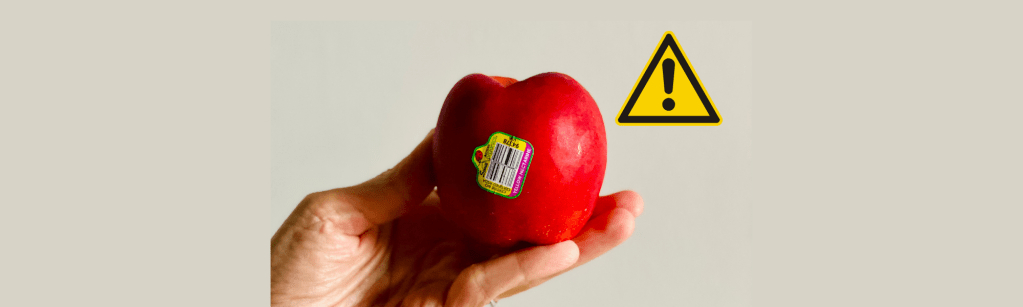
Lately I have been increasingly concerned about the unnecessary and constant exposure to endocrine disruptors in food stickers, which are present on produce in every supermarket in the USA.

Find the full article at: https://corespirit.com/articles/what-toxins-am-i-exposed-to-every-day-without-even-realizing-it-v052bv