
Ethical Considerations: Are Gluten Challenges the Right Approach for Celiac Disease Research?

Rethinking research methods in celiac disease
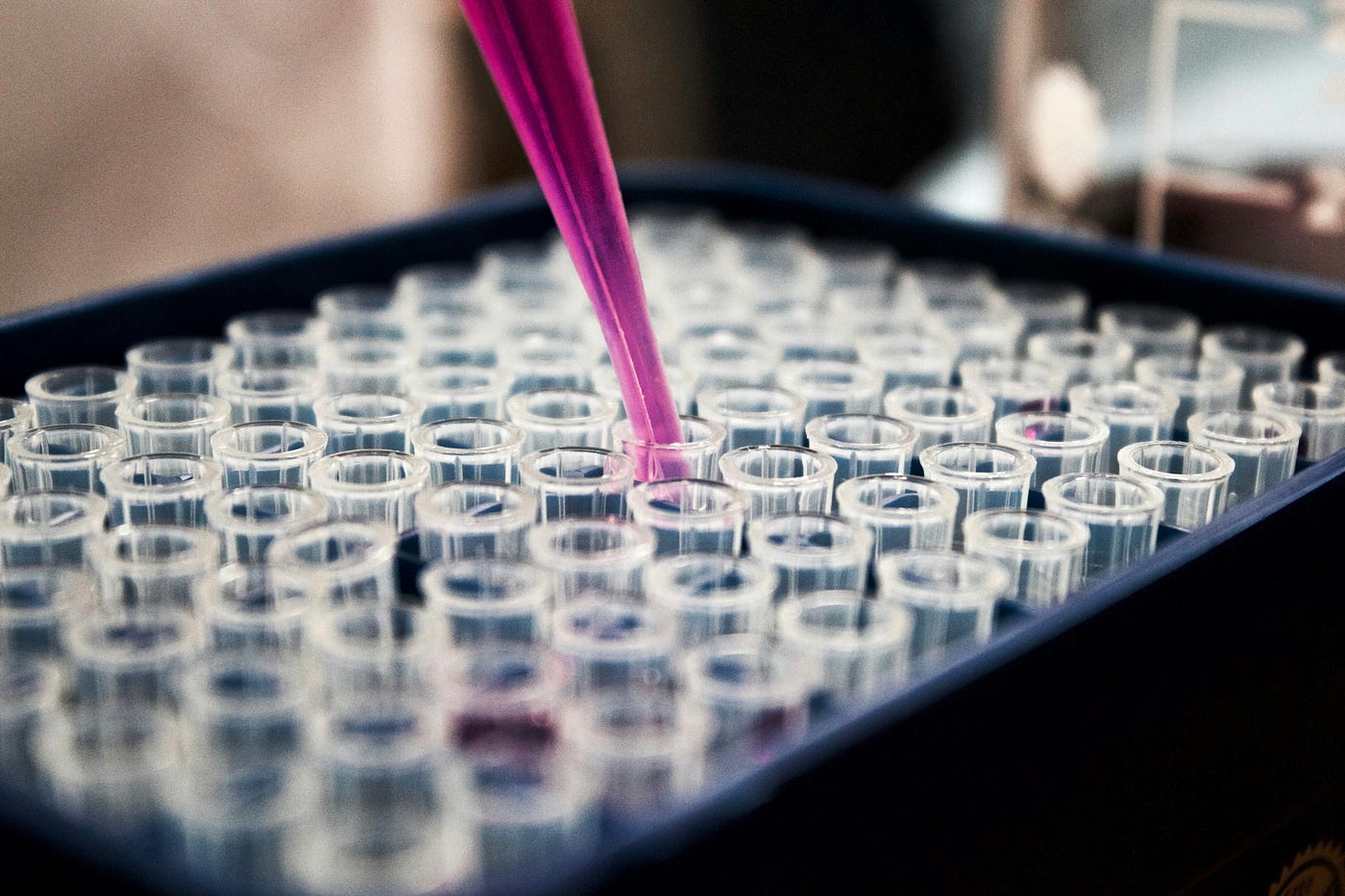
Photo by Louis Reed on Unsplash


I was diagnosed with celiac disease in 2017. I’ve navigated a strict gluten-free diet ever since. The possibility of a cure continues to motivate researchers, but clinical trials for celiac disease often rely on gluten challenges, raising significant ethical concerns.

This article explores the dilemma surrounding gluten challenges and argues for a shift in research focus toward developing alternative testing methods that accurately assess individual gluten tolerance while prioritizing patient well-being.

On several occasions, I’ve been approached to participate in clinical trials for potential celiac disease treatments or cures. While I recognize the vital role these trials play in advancing medical knowledge, I have not yet chosen to participate.

Let me explain why.

Celiac disease is an autoimmune disorder in which ingesting gluten causes damage to the small intestine, leading to malabsorption and other health complications.

The typical and more ‘visible’ signs of the immune system reacting after gluten ingestion, even a small amount, are vomiting, diarrhea, and bloating. The damage in the small intestine, however, is not visible unless endoscopy and biopsy are performed.

Despite decades of research, currently, there’s no cure for celiac disease. The only treatment for managing celiac disease is maintaining a lifelong strict gluten-free diet (GFD). However, this approach presents significant challenges. The issue arises from the fact that even the most careful individuals can experience accidental gluten exposure.

This can occur through hidden sources of gluten in processed foods, cross-contamination during preparation, or even unexpected sources like medications or cosmetics. It’s unavoidable.

For most individuals a strict gluten-free diet (GFD) effectively controls celiac disease (CD) symptoms, while some people may experience relapse from even low-dose gluten exposure. Also, the duration of exposure can significantly impact the frequency and severity of these relapses.

While new treatment options are on the horizon, ethical concerns cloud the research methods used to test their effectiveness. Celiac disease trials often require participants with celiac disease to undergo a ‘gluten challenge’ to test the effectiveness of potential new drugs.

The Problem with Gluten Challenges

Gluten challenges are valuable and necessary for diagnosing celiac disease.

Traditionally, a gluten challenge for celiac disease diagnosis involved consuming three to ten grams of gluten daily for six weeks. This equates to roughly 1.5 to 5 slices of bread per day.

However, recent studies suggest that a shorter challenge, lasting only two weeks with a daily intake of three grams of gluten, may be sufficient to trigger abnormal test results in most adults with confirmed celiac disease.

The Ethical Dilemma

Although participation in these studies is entirely voluntary, with the option to withdraw at any point, and informed consent is a research priority, there are ethical considerations specific to celiac disease due to the potential for harm and the need for a careful risk-benefit analysis.

In some cases, medical research trials become more ethically justifiable. When facing a serious illness with no existing cure, a potential life-saving or life-extending drug in a trial could offer immense hope. The potential benefits may outweigh the risks, and participants might have little to lose and potentially much to gain.

In contrast, participation in a celiac disease trial frequently necessitates a gluten challenge, which deliberately triggers a negative reaction, causing short-term health consequences and potentially compromising a patient’s health in the long term.

While a gluten challenge may provide valuable data for research purposes, especially for future patients, it’s important to acknowledge the guaranteed negative effects and the risk of further health complications.

Celiac disease trials involving gluten challenges are indeed a complex matter.

A Call for Alternative Methods

From a patient perspective (as I am) I believe researchers should explore alternative methods for testing potential new drugs for celiac disease. A crucial step should be a thorough, case-by-case assessment of each participant’s individual tolerance and risk factors in addition to informed consent from participants. Given the ongoing uncertainty surrounding the potential toxicity of trace gluten amounts, it is crucial for researchers to prioritize the development of methods or diagnostic tools that establish safe, individualized gluten thresholds for patients before resorting to gluten challenges.

By understanding individual sensitivity, researchers could tailor the gluten challenge dose to minimize discomfort and risk.

Unfortunately, current blood tests (serologic markers) may not be sensitive enough to detect lingering intestinal damage (residual enteropathy) in these seemingly healthy patients who are following a gluten-free diet.

Scientific research has undoubtedly led to incredible advancements in healthcare over the past decades. However, while I fully support this progress, I also believe in prioritizing participant safety in clinical trials.

Conclusion

The potential risks associated with a trial need to be weighed against the severity of the disease being studied.

As someone living with celiac disease, I understand the vital role research plays in finding a cure. However, I, like many others, am not comfortable participating in a gluten challenge, nor do I believe it’s the most ethical approach due to the potential health risks.

While gluten challenges remain the current standard for diagnosing celiac disease, assessing treatment efficacy, and clinical research, their inherent risks necessitate a reevaluation of research methodologies.

Therefore, prioritizing the development of non-invasive, individualized testing methods, such as advanced blood tests or imaging techniques, that accurately measure treatment response without jeopardizing patient well-being should be a top research priority.

Medical Disclaimer: I am not a medical doctor. The information presented in this article is not intended to offer medical advice but is provided for informational purposes only. It should not be seen as a replacement for professional medical advice or consultation with healthcare professionals.

© 2024 Iose Cocuzza. All rights reserved.
Celiac Disease is Not a Food Allergy

Photo by Wesual Click on Unsplash

Misconceptions and Realities of Celiac Disease

If you’ve been diagnosed with Celiac disease for a while, you may have already noticed the widespread confusion about this condition among the general population unfamiliar with glute-free diets.

It also needs to be observed that an improvement in awareness over the last few years has been achieved.

Whenever I go our for dinner, especially in the past, a familiar scenario unfolds:

Me: “Are there any gluten-free options available on your menu?”

Waiter: “Unfortunately, we don’t have a specific gluten-free menu, but I’ll ensure that our kitchen excludes any milk or cheese from your dish!” (They often lack a gluten-free menu option and occasionally confuse gluten with lactose intolerance.)

Me: “Just to clarify, I’m fine with dairy; it’s gluten that I need to avoid.” The waiter’s expression hints at uncertainty about gluten. I then specify: “grains…wheat. I have Celiac disease”.

Waiter : ” Oh, got it. I’m sorry about that. I’ll make sure the kitchen knows about your allergy”.

I’m tempted to respond once more, saying ” Thanks, by the way, Celiac disease is not an allergy…”

However, I decided against it. It would be time-consuming to educate every waiter each time I go out.

For me, it’s satisfactory that they perceive it as an allergy, even if it’s not accurate, Sometimes, it works to my advantage. At least they will take extra precautions to prevent cross-contact in order to safeguard against a potential severe ‘allergic’ reaction.

The reality is that not many people are familiar with Celiac disease, and I, too, had limited knowledge when I first learned about my condition. The initial realization meant giving up some of my favorite foods like bread, pizza, and pasta. That much was clear. However, I soon discovered that there’s much more to Celiac disease than just dietary restrictions.

Let’s begin with some basic information.

Gluten consists of two types of proteins, namely gliding, and glutenin, which are found in wheat, barley, and rye.

Gliadin, a component of the gluten protein, is considered the primary environmental trigger responsible for celiac disease.

Celiac disease is an autoimmune disease (not an allergy), that might manifest in individuals with a genetic predisposition, meaning that every time gluten is ingested, even a small amount, the immune system mistakenly sees the gluten as a foreign invader and reacts by attacking the small intestine, impeding the absorption of nutrients from food and leading to malabsorption syndrome.

To potentially develop Celiac disease, one must carry one of the two genes associated with the condition: HLA-DQ2 or HLA-DQ8. However, having HLA-DQ2 and/or DQ8 does not guarantee the development of celiac disease; it simply increases the risk compared to the rest of the population without these genes. Many individuals with celiac disease do possess at least one of these genes. In exceptionally rare cases, a person may not have these genes but could still develop celiac disease.

The suggested safe amount of gluten for individuals with celiac disease is 20 parts per million (ppm), which translates to 20 milligrams of gluten per 1 kilogram of food. This level is intended to keep most people below the 10 mg threshold, although there isn’t a clear consensus on the safe daily intake of gluten. Individual tolerance varies, with some people being more tolerant than others, and vice versa.

Understanding the fundamental distinction between an allergy and an autoimmune disease is crucial. In the case of an allergy . depending on its severity , it could lead to anaphylactic shock, which is life-threatening and may prove fatal without prompt intervention.

However, with Celiac disease, being an autoimmune condition, such a scenario is impossible unless there is an additional wheat allergy alongside Celiac disease.

People with Celiac disease do not get anaphylaxis when they eat gluten.

Symptoms of food allergies typically manifest quickly, whereas, in Celiac disease, a delayed hypersensitivity reaction occurs. Symptoms usually develop within 48–72 hours after the ingestion of the offending food, which, in this case, is gluten. Some may react within 2–3 hours with severe vomiting and/or diarrhea.

Common symptoms for individuals with Celiac disease following gluten ingestion can include:

  1. Nausea
  2. Vomiting
  3. Gas/bloating
  4. Cramps
  5. Abdominal pain
  6. Diarrhea
  7. Constipation
  8. Tiredness

While common symptoms of a food allergy can include:

  1. Feeling dizzy or lightheaded.
  2. Itchy skin or a raised rash (hives)
  3. Swelling of the lips, face and eyes
  4. Coughing, wheezing, breathlessness
  5. Sneezing or an itchy, runny or blocked nose
  6. Feeling sick or being sick
  7. Stomach cramps

Anaphylaxis ( this is a severe allergic reaction- although the condition is life threatening, deaths are rare )

Allergies are triggered by a different type of antibody known as IgE(immunoglobulin E antibodies).

Conversely, Celiac disease is triggered by IgA antibodies, specifically Tissue Transglutaminase IgA antibody or tTG-IgA. This antibody targets an enzyme present in the lining of the gastrointestinal tract and correlates with the degree of mucosal damage in individuals with Celiac disease.

As of now, the only known therapy to manage Celiac disease is to follow a strict, lifelong gluten-free diet.

I hope this helps clarify the distinction between autoimmune diseases and allergies, specifically highlighting the difference between a food allergy and Celiac disease.  

Originally published on Medium© 2024 Iose Cocuzza. All rights reserved.

Medical Disclaimer: I am not a medical doctor. The information presented in this article is not intended to offer medical advice but is provided for informational purposes only. It should not be seen as a replacement for professional medical advice or consultation with healthcare professionals.


Subscribe to her email list today to receive notifications each time she publishes a new article on Medium by clicking here.

For more information on maintaining a healthy body and mind, visit www.iosecocuzza.com 🌿💕

— Instagram


References:

Celiac disease

Celiac disease differs from IgE-mediated food allergies in several important respects. Celiac disease is NOT mediated…

farrp.unl.edu

IgE-Dependent Allergy in Patients with Celiac Disease: A Systematic Review

In order to answer the question if an IgE-mediated allergy (A-IgE) may occur in subjects with celiac disease (CD), a…

www.ncbi.nlm.nih.gov

Beyond the HLA Genes in Gluten-Related Disorders

Most common food grains contain gluten proteins and can cause adverse medical conditions generally known as…

www.ncbi.nlm.nih.gov

How Genetics Play a Role in Your Risk of Celiac Disease

The gene known as HLA-DQ8 is one of two main celiac disease genes, known to increase the risk of gluten intolerance as…

www.verywellhealth.com

Gluten in Celiac Disease-More or Less?

To date, the only known effective treatment for celiac disease is a strict gluten-free diet for life. We reviewed the…

www.ncbi.nlm.nih.gov

The Day I Was Told I Had Celiac Disease, I Was Eating a Brioche With Gelato

My Last one

Photo by Josh Chiodo on Unsplash

Summer 2017

I was on vacation in our house in Sicily with my family, as every year.

Just a few days after arriving and still adjusting to the time zone, one of the first stops of our vacation, which would have officially announced the start of our summer vacation, had to be the artisanal gelateria ‘La Delizia’ down the street.

An unmissable stop for years now.

I couldn’t contain my excitement, perhaps even more than my children.

I’ve been living in New York for many years, where I’ve learned to appreciate the variety and abundance of food found in supermarkets, exotic fruits, and cuisines from around the world.

I have noticed over the years, though, that certain delicacies can only be enjoyed when I return ‘home to Sicily’.

Gli arancini con carne o burro, lo sfincione, il pane rimacinato freshly baked, la brioche con il gelato, la granita, la pasta con i tenerumi, il caciocavallo stagionato, il primosale, il gelo di mellone, la frutta Martorana… I could go on indefinitely.

That summer afternoon was the turn of the brioche with gelato: an unparalleled calorie bomb.

I chose bacio and watermelon flavors (and, of course, whipped cream).

With the first ‘lick,’ I closed my eyes, inhaled, and sighed deeply to instinctively express my state of contentment — a faint smile formed on my face.

The magic was interrupted by the ring of my cell phone. It was my doctor from New York calling… “how strange,” I thought, “perhaps she simply wants to inform me of the results of my latest blood tests that I had done just before leaving”.

I guessed it right.

She had called me precisely for this.

However, what the communication held took me by surprise:

Iosè, I’m sorry to let you know that your antibody test for Celiac disease came back positive. It looks like you might have Celiac disease”.

“Whaaaat?

Wait a minute, howI’m Italian”…it’s impossible I thought.

I lived on

P — pane

P — pasta

P — pizza

all my life! I didn’t even know that you were testing me for Celiac”!

“Well, Celiac disease can go undetected for many years and can be silent. You’ll need to undergo an endoscopy to confirm the diagnosis when you come back. In the meantime, try to stay away from gluten”, my doctor said from the other side of the ocean.

How could I possibly stay away from it while being surrounded by the most delicious glutinous food on earth?

I was practically in Gluten Land!

I was shocked and in disbelief. The idea of having to give up freshly baked bread, dishes of fresh pasta, and many other Italian dishes had saddened me quite a bit.

Since the diagnosis was not entirely confirmed yet, I decided to push this ‘nuisance’ aside and postpone everything until my return to NY.

My only goal at that moment was to enjoy the vacation and all its offerings, gluten-filled food included.

That summer marked the last time I indulged in food containing gluten.

My diagnosis was confirmed in October 2017, and from that moment on, my adventure in transforming my gluten-free diet began.

An adventure initially marked by inevitable mistakes of someone who didn’t know, hours spent reading and learning, workshops, research, and various kitchen experiments — some successful, many less so.

Because, let’s face it, most of the time, if not all, gluten-free bread, pizza, and pasta fall short and are merely a sad attempt to replace ‘the irreplaceable’!

My background as a holistic nutrition consultant was certainly an advantage, although what initially seemed like a simple ‘elimination diet’ turned out to be something much more complex, requiring great discipline and information.

At that point, I decided to specialize and become a gluten-free practitioner to learn everything possible about this condition and the gluten-free diet.

You see, to this day, there is no cure or drugs for Celiac disease.

The only therapy is to adhere to a strict gluten-free diet for the rest of your life.

Driven by a personal mission, I penned a mini-guide for gluten-free beginners, a lifeline for those, much like myself, who found themselves unprepared and thrust into the abrupt transformation of their dietary habits.

As my journey unfolded, I also became an expert in the kitchen (thank god I always loved to cook), and for a while, I worked as a gluten-free home chef, preparing and delivering meals to people who either enjoy or need to follow a gluten-free diet.

Do I miss occasionally a classic, good slice of crusty bread, pizza, or a croissant?

Heck, yeah! — Cavolo, certo che si!

But I can never cheat.

My health is far more precious than indulging in culinary temptations.


Note: this story includes an affiliate link.

Originally published on Medium

© 2023 Iose Cocuzza. All rights reserved.