YOU DON’T NEED TO FOCUS ON YOUR BREATH WHEN YOU MEDITATE


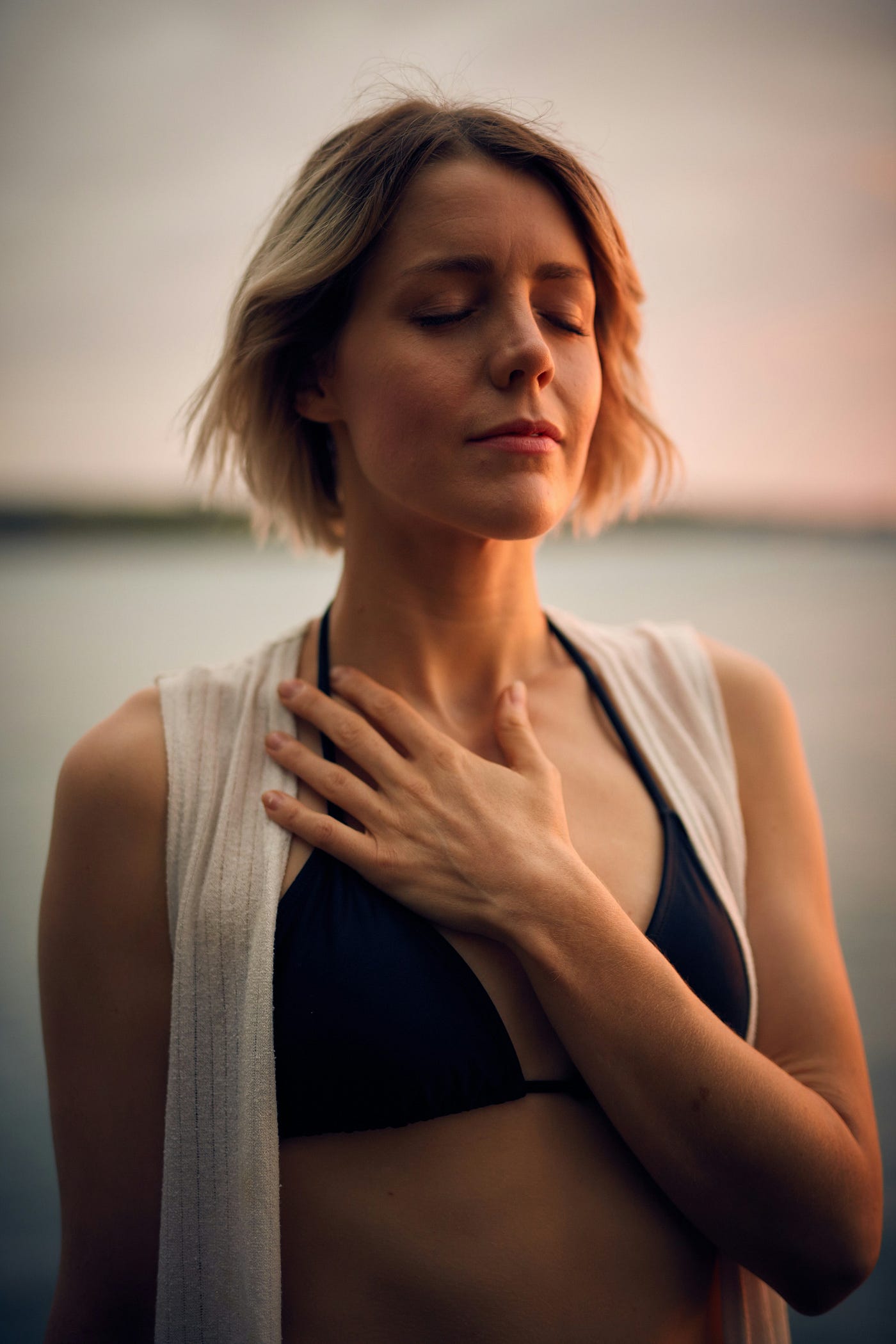
Photo by Darius Bashar  on Unsplash

Relationship between anxiety, meditation and autogenic training

Many meditation guides will tell you that focusing on your breath is the key to meditation, to calm the body and quiet the mind, (and rightfully so for many) but after years of trying and retrying, session after session, this approach never resonated with me.

Meditation isn’t as easy as it sounds. It requires time, discipline, and discovering your own unique “style” of meditation. There’s a path to inner peace for all of us, and it might look different than expected. If traditional meditation hasn’t clicked for you yet, don’t be discouraged. What works for one person might not work for another.

After years of experimenting, I discovered a surprising truth: focusing on the breath, often considered the cornerstone of meditation, became instead the biggest obstacle in my own journey.


I noticed that during meditation, especially in group settings, the instructions to take slow, deep inhales and exhales felt like a performance I couldn’t deliver.

Paradoxically, instead of calming my body, my muscles would tighten, and the effort to breathe deeply became an unnatural, frustrating struggle.This was the opposite of what meditation intended. Instead of relaxing, I found myself growing with more stress.

Having a tendency towards anxiety, I’m particularly aware of how anxiety or stress can disrupt natural breathing patterns. When experiencing anxiety you might find yourself sighing more frequently, a subtle sign of underlying tension. Anxiety, after all, starts in the brain but has a way of creeping into your body.

Even in calm moments, I noticed that my breaths tend to be short and quick.This translated directly to meditation. Focusing on those slow, deep breaths everyone talks about becomes a challenge. It feels unnatural and forced.

A Breakthrough! At a point in my life, I discovered a different approach to meditation that clicked for me: visual meditation. Instead of battling with my breath, a constant source of frustration, I began my practice with a body scan. Mentally asking each part of my body to gently relax took the immense pressure off my breath, allowing it to naturally settle into a calmer rhythm. Shallow, forced inhales and exhales would then naturally transition into a calmer, more regular breathing pattern almost unnoticed.

This allowed me to truly meditate, observing my thoughts come and go without judgment, and returning my focus to the present moment, perhaps noticing the gentle rise and fall of my chest with each breath.

This simple centering technique kept me grounded.

My late twenties were a turning point. Intense anxiety led me to seek professional help. There, I discovered autogenic training, a technique for managing anxiety that’s remarkably similar to visual meditation. Often referred to as self-hypnosis, autogenic training uses visualization to gently guide the mind towards calmness and restore balance. The key difference lies in the focus: meditation typically focuses on the breath, a single point of anchor, while autogenic training employs visual imagery to direct attention to various areas of the body creating a sense of relaxation throughout.

I was hooked on it for life! Visual meditation became my missing piece. My practice now combines guided visualization (self-guided or instructor-led) with progressive muscle relaxation, creating a powerful relaxation routine.

Posture and location

Let’s debunk another common myth: there’s no single “correct” way to practice meditation. While images of yogis in perfect lotus pose, “Padmasana”, might be prevalent, the truth is that comfort and accessibility are key.

There’s no need to contort yourself into a pretzel!

Meditation can be practiced in many postures, as long as you can maintain alertness and avoid discomfort. Sitting on a chair, kneeling on a cushion, or even lying down are all perfectly valid options (though, the only downside of lying down is the increased chance of falling asleep due to the deep relaxation. But that’s ok too, even a short meditation nap can be refreshing!

Meditation is a journey, not a destination.

Choose a posture that allows you to be comfortable and alert, and prioritize ease over discomfort. This flexibility is especially empowering for those with physical limitations, opening the door to a practice that benefits everyone. You can absolutely be a dedicated meditator without ever mastering the lotus pose. After all, the goal is to quiet the mind, not torture your body.

Revisiting and adapting traditional Indian meditation practices to Western contexts is a natural evolution. The core goal remains constant — cultivating greater self-awareness, focus, and stress management. There’s no single “right” way to meditate, and embracing these adaptations allows us to personalize the practice for a more inclusive experience. Find Your Style.

Don’t worry about achieving a perfect state or getting everything right. Just be present, observe your thoughts without judgment, and allow yourself to simply be in the moment.Whether it’s a single word whispered internally, a calming phrase silently repeated (mantra), or a serene image visualized behind closed eyelids, it all serves the same purpose: maintaining focus.

So, don’t overthink it. Just be there.


© 2024 Iose Cocuzza. All rights reserved.
Bach Flower Therapy: The Hollywood Celebrities’ Secret to Emotional Well-being

The Timeless Efficacy of Bach Flower Remedies

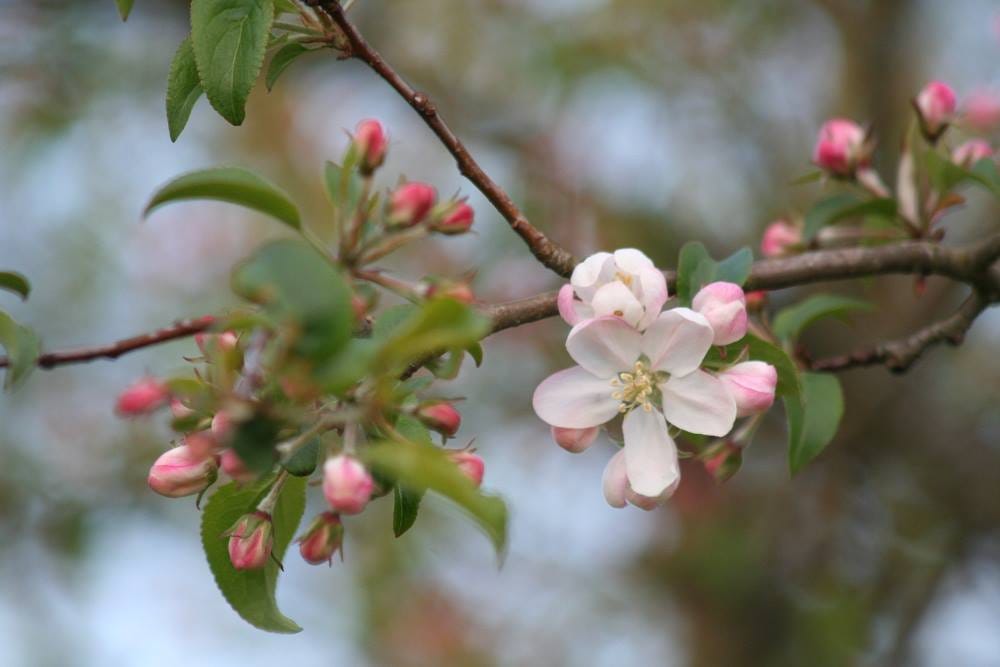
Cherry Plum — Image courtesy of The Bach Centre

What are Bach Flower Remedies?

Bach Flower Remedies are a simple system of 38 remedies based on plants and wildflowers discovered by Dr. Edward Bach in the early 1930s.

I’ve personally known about the Bach Flower Remedies for most of my life, yet it often surprises me that there are still so many people in the world who have never heard of them.

Originating in England, Bach flower remedies are understandably much more popular in Europe than in the rest of the world.

I became a registered Bach Flower practitioner in 2016 and I live in the US, where awareness of these remedies is still very limited. Many of my clients are from Latin America or Europe, where Bach Flower Remedies are significantly more widely used.

The Original Bach Flower remedies are preserved in a mixture of water and grape-based brandy. They are gluten-free and highly diluted, and while they share some similarities with homeopathy in this aspect, they differ significantly in their underlying philosophy and methodology.

Yet they are classified as prescription/nonprescription drugs and over-the-counter homeopathic supplements.

The remedies offer a simple and gentle approach to emotional well-being utilizing 38 flower and plant essences, each targeted to address specific negative emotions that can disrupt our inner balance. By gently restoring balance, Bach Flower Remedies are intended to help us reclaim our positivity and navigate life’s challenges with greater ease.

For over 80 years, Bach Flower Remedies have been used worldwide with widespread reports of success. Their gentle nature and complete lack of side effects make them a safe choice for everyone, including children, pregnant women, pets, the elderly, and even plants!

While Dr. Edward Bach initially established himself as a successful British physician, pathologist, and bacteriologist, his experience ultimately led him to question the limitations of traditional, symptom-focused medicine. 

Seeking a more comprehensive approach to well-being, Dr. Bach embarked on a journey towards a holistic perspective, one that focused on addressing the root causes of illness beyond just treating their symptoms.

He recognized the profound influence of emotions on overall health, firmly believing that negative emotions and moods could trigger breakdowns leading to illness.

This holistic perspective, prioritizing the emotional well-being of patients, continues to hold significant relevance in today’s healthcare landscape, where the mind-body connection is increasingly recognized, particularly when considering the current landscape of healthcare.

Emotional stress is indeed a major contributing factor to the six leading causes of death in the United States: cancer, coronary heart disease, accidental injuries, respiratory disorders, cirrhosis of the liver, and suicide.

How did I discover the Bach Flower remedies and why did I decide to become a practitioner?

My journey with Bach Flower Remedies began in a rather unexpected way. I was introduced to them on several occasions throughout my life.

I often share that my journey with Bach Flower Remedies transcended a typical discovery — it felt more like the remedies found me.

While not actively seeking alternative approaches at the time, I encountered Bach Flower Remedies during a period in my life marked by a sudden onset of flight-related fear and anxiety. The need to address these challenges became urgent due given that we lived in the USA while both my family and my husband’s family resided in Europe.

Interestingly enough, it was my conventional doctor who initially suggested exploring Bach Flower Rescue Remedy as a potential supportive tool for this situation.

Among the various Bach Flower Remedies, Bach Flower Rescue Remedy is the most famous of the remedies. It is often the only one people are familiar with when they have limited knowledge of Bach Flower Therapy.

However, it’s crucial to note that Rescue Remedy isn’t a single-flower essence. Instead, it’s a carefully chosen blend of five distinct remedies designed to offer support in times of emotional distress, such as during emergencies, trauma, shock, accidents, panic attacks, or even before exams to help manage anxiety.

But the core of Bach Flower Therapy lies in the 38 individual remedies.Unlike blends, each remedy is crafted from a single flower or plant extract, unlocking their specific emotional healing properties. This allows practitioners to create personalized blends, expertly tailoring a selection of remedies to address individual needs and emotional journeys.

Clients and friends often ask me questions like: “Will Bach Flower Remedies eliminate my anxiety or chronic stress?

Or: will they magically transform me into an extrovert if I’m introverted and shy?”

My answer is: No.

Bach Flower remedies, like any approach to emotional well-being, are not a quick fix or a magic solution. Instead, while they cannot entirely erase emotions like anxiety or shyness, they can be valuable tools to help manage emotional states.

Maintaining a balanced state, known as homeostasis, is crucial for overall well-being. This applies not just to our physical health, but also to our mental and emotional state.

Over the years, many celebrities have embraced the healing power of this gentle system, including Gwyneth Paltrow, Gisele Bündchen, Hugh Grant, Salma Hayek, Emma Watson, and even superstar football player Lionel Messi , who used Bach Flower remedies to combat stress and anxiety before games.

Bach Flower Remedy therapy is not of course the only alternative therapy for managing stress, but it is one of the gentlest and simplest therapies available, which is why I feel comfortable using it as my number one ally for emotional crises and emergencies with my clients, family, friends, children and pets!

I hope this story has served as an introduction to Bach Flower Remedies, offering a potential option for those seeking a holistic and gentle approach to supporting their emotional well-being.

Originally published on Medium© 2024 Iose Cocuzza. All rights reserved.
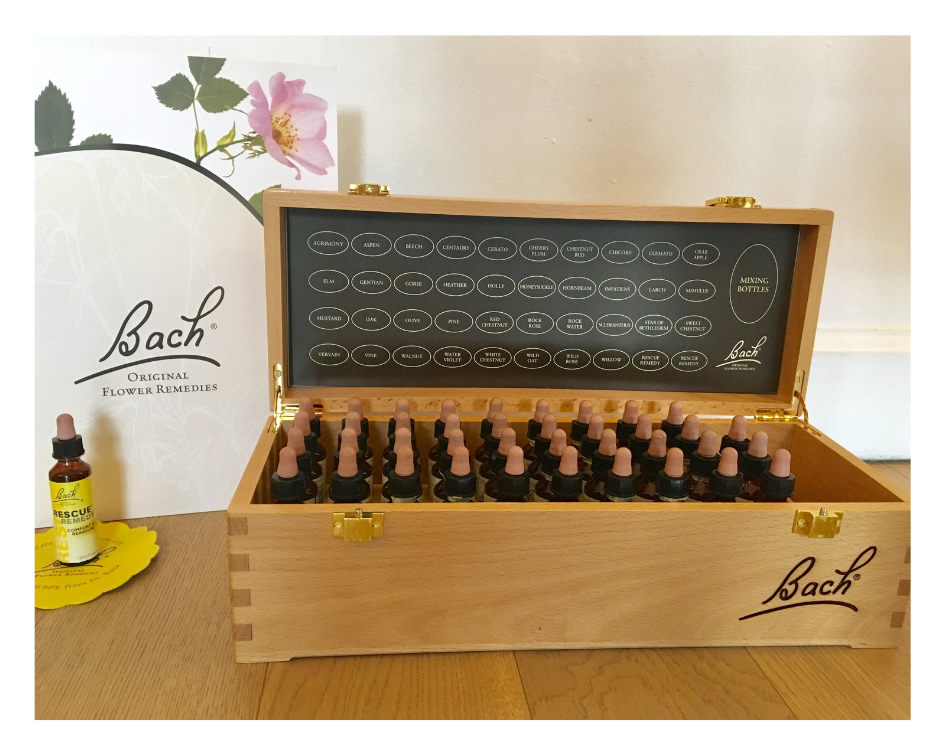
Image courtesy of the author

EXPLORING HOMEOPATHY AND THE PLACEBO CONNECTION

The Dual Language of Holistic and Conventional Practices

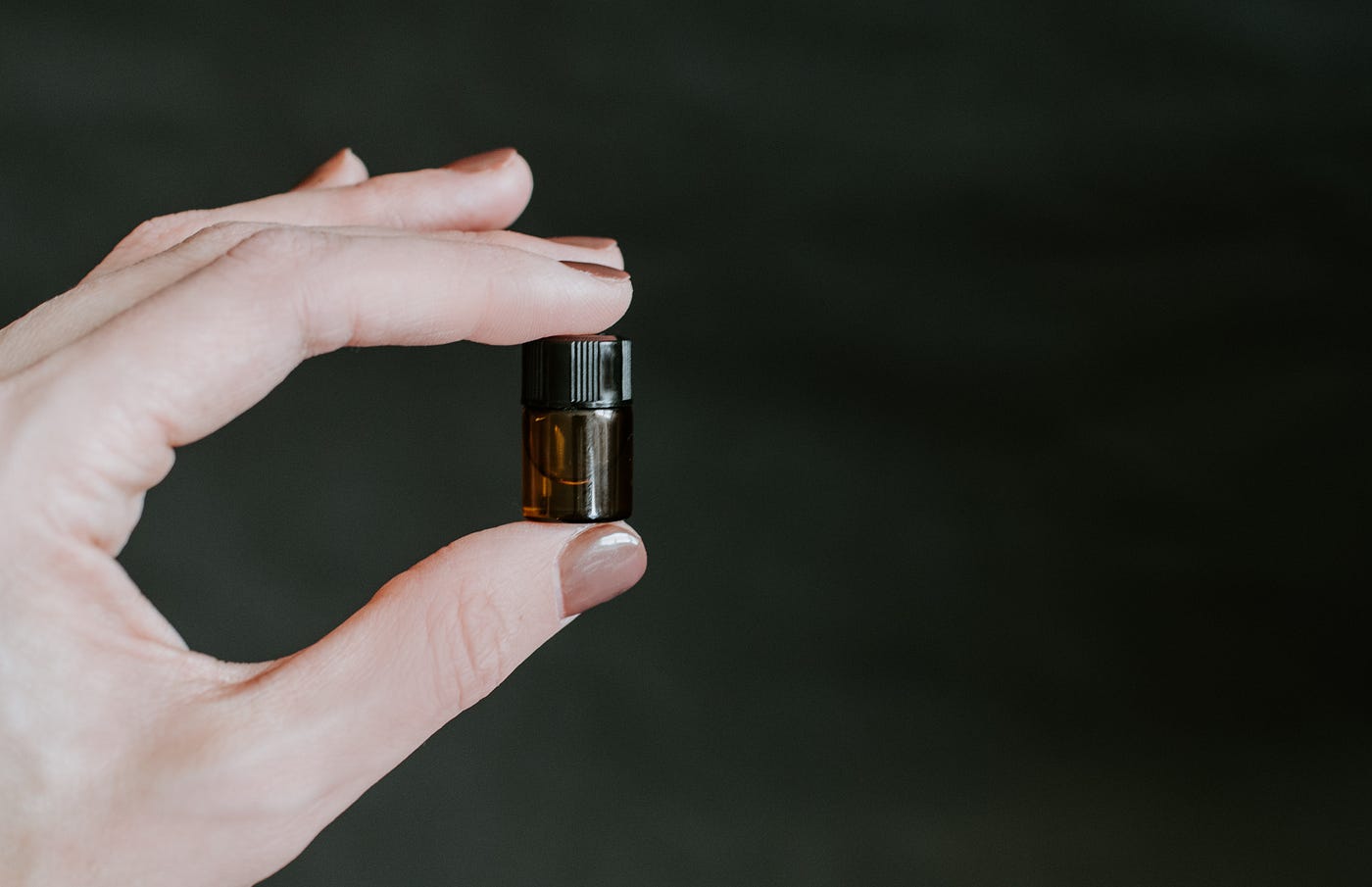
Photo by Kelly Sikkema on Unsplash

As a practitioner specializing in holistic nutrition, I am committed to integrating alternative medicine into my comprehensive approach.

While I recognize the invaluable role of conventional medicine and adopt it when necessary, I also fully embrace the principles of holistic healing. In my view, each approach has a unique place and time.

I chose to become a holistic nutrition consultant because I firmly believe in the healing power of food. 

It goes beyond simply consuming any type of food; I emphasize the importance of selecting the right kinds, with a focus on high-quality, organically grown produce.

While the detrimental effects of processed foods and chemical additives may not manifest immediately, the long-term effects can adversely affect the body over time.

Quoting the ancient Greek physician Hippocrates, often referred to as ‘The Father of Medicine’, I strongly resonate with the idea that:

Let food be thy medicine and medicine be thy food – All diseases begin in the gut

This philosophy guides my holistic approach to health and wellness.

I generally prefer a gentle approach to the body, avoiding invasive measures and minimizing the use of pharmaceutical drugs.

If I experience a mild headache, I won’t immediately reach for the cabinet in search of Advil. I prefer to let my body manage it naturally, exploring alternative methods of relief first. If these natural approaches prove ineffective, pharmaceutical options are still available.

There are numerous natural ways to address such discomfort.

One of these is Homeopathy.

Homeopathy tends to have a negative reputation, particularly in the United States, more so than in Europe and is widely discredited by the scientific community today. It is frequently labeled as quackery medicine.

Let’s delve into the history of homeopathy.

Homeopathy is a medical system established by the German physician Samuel Hahnemann at the end of the 18th century.

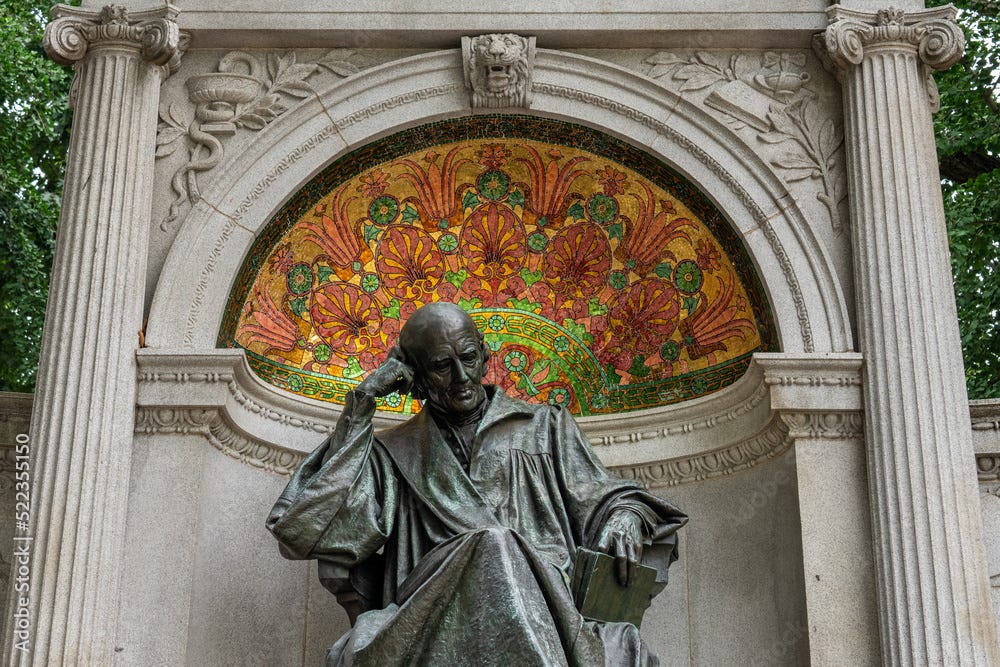
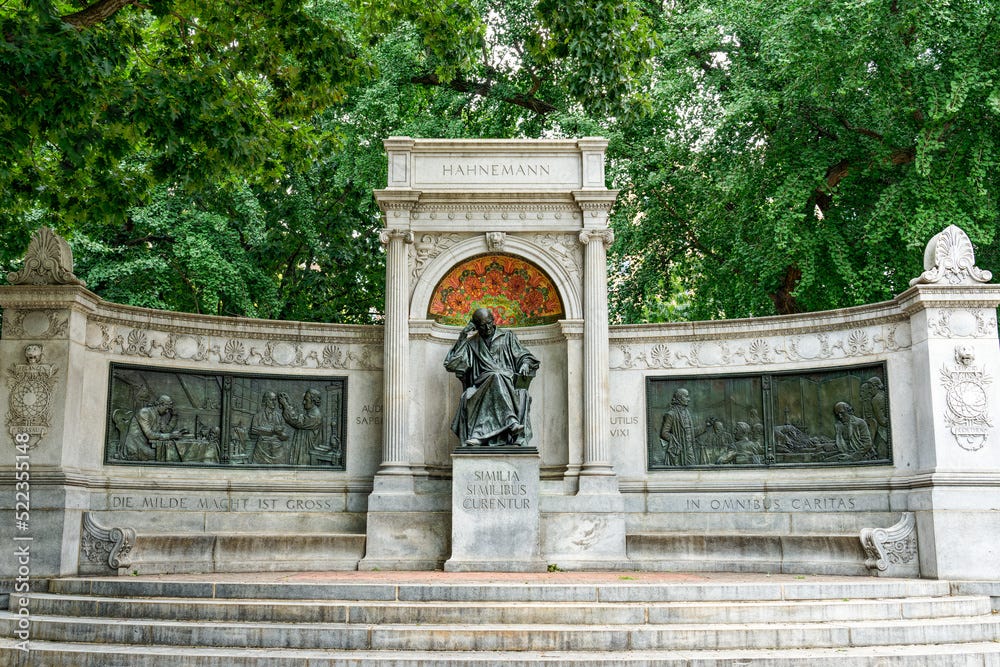
The Doctor Samuel Hahnemann Memorial stands in Washington DC among many other monuments, as historical reminders of its past prominence.

Samuel Hahnemann — Photos Credit: Rosemarie — stock.adobe.com

Why was a monument dedicated to him? Because, in the past, homeopathy was indeed a more respected form of medicine than it is today.

There were homeopathic institutions and hospitals spread across the USA. Homeopathy was introduced to the USA by Hans Burch Gram in 1825 and developed significantly through the immigration of German homeopaths. The first homeopathic medical college was established in Allentown, PA, in 1835.

Understanding this historical context provides a more nuanced perspective on the evolution of Homeopathy and its role in healthcare.

Founded on the principle of “like cures like,” homeopathy utilizes various substances derived from the plant, animal, and mineral kingdoms to stimulate healing responses to diseases by administering substances that mimic the symptoms of those diseases in healthy people.

These substances undergo a process called potentization, involving repeated dilution and succussion (vigorous shaking between dilutions).

In some instances, the dilution is carried out to the point where there is minimal or almost none of the original substance remaining. This is where skepticism from both the scientific community and the general population tends to arise, and I fully understand why.

The belief in homeopathy suggests that the more a substance is diluted in this manner, the greater its potency in treating symptoms.

I am perhaps one of the most skeptical holistic practitioners you might encounter. I’m hesitant to adopt a remedy simply because someone insists it’s effective or worked for them. Most of the time, I require personal experience or evidence from close family members before considering it. However, if multiple reports and well-studied cases support its efficacy, I am open to listening and giving it a try.

I value facts. While it is helpful and interesting to have an explanation for everything, I don’t believe it’s right to dismiss a case, or worse, label it as quackery, simply because it is not currently understood. Especially when there are numerous clinical cases that have demonstrated its efficacy.

Homeopathy may appear scientifically implausible, but it could be a limitation of our current scientific understanding. It may be beyond the reach of current scientific methods to prove or fully comprehend it at this time.

I hold high hopes for the future contributions of Quantum Physics and Quantum Mechanics to elucidate what current scientific understanding cannot. I have a sense that the efficacy of homeopathy will eventually be comprehended and explained through these evolving fields.

Numerous historical instances showcase the evolution of new ideas, such as Geocentrism, the Big Bang Theory, and the Germ Theory. Initially met with skepticism or dismissal, these concepts were eventually validated, contributing significantly to advancements in science and understanding.

Conversely, beliefs once deemed accurate were later proven erroneous. Bloodletting as a Medical Practice, once widely accepted, was later recognized as ineffective and potentially harmful. Similarly, DDT as a Pesticide, initially considered safe and effective, proved harmful in the long run, posing environmental and health risks. The belief that consuming spicy foods caused stomach ulcers was debunked with the identification of the bacterial cause (H. pylori).

These instances highlight the imperfection of science. Science is an evolving process, and accepted truths may change as knowledge deepens and methodologies improve. This emphasizes the importance of continual reassessment and openness to new discoveries.

I look forward to the day when either science or metaphysics can offer comprehensive explanations.

Even if the efficacy of homeopathy is, at times, attributed to the placebo effect (which hasn’t been definitively proven thus far), I am entirely comfortable with that possibility.

Let me elaborate on why.

The placebo effect is incredibly fascinating and can have considerable power in terms of healing. However, there’s no on/off switch in your body that you can activate whenever needed.

But if Homeopathy or other natural therapies like self-hypnosis, meditation, or aromatherapy can act like a ‘switch,’ I’m willing to explore their potential!

Your mind can be a powerful healing tool when given the chance. Science has found that under the right circumstances, a placebo can be just as effective as traditional treatments.

A placebo is often employed in clinical trials to assess the effectiveness of treatments and is commonly utilized in drug studies. Randomized double-blind placebo control (RDBPC) studies are considered the “gold standard” of epidemiologic studies.

There are documented instances of individuals who have experienced self-healing through the placebo effect.

Returning to homeopathic medicine, I sense that there is much more to understand about how homeopathy works and its efficacy.

It seems particularly effective in addressing mild acute symptoms with children and animals — two categories unaware of the placebo effect and with fewer mental barriers.

Perhaps I won’t be alive when a comprehensive explanation emerges, but I hope to stick around long enough to witness that moment.

I’m aware that this perspective might be controversial and not appreciated by everyone, but I wanted to share my thoughts on it.

I utilize homeopathy in a more superficial and limited capacity, specifically for mild conditions that don’t necessitate serious medical attention. I wouldn’t consider using homeopathy to treat infections or other severe health issues.

Despite the controversy, I believe Hahnemann and Homeopathy deserve fair consideration.

Wishing everyone good health and kindness to their bodies.


*This article was originally published on Medium.com


Medical Disclaimer: I am not a medical doctor. The information presented in this article is not intended to offer medical advice but is provided for informational purposes only. It should not be seen as a replacement for professional medical advice or consultation with healthcare professionals.

Products labeled as homeopathic and currently marketed in the U.S. have not been reviewed by the FDA for safety and effectiveness to diagnose, treat, cure, prevent or mitigate any diseases or conditions.